

Person Centred Care: Pacing
Person-centred care happens at a relaxed pace.
Can you think of a time when someone went too fast for you? Maybe someone was trying to explain something to you, or maybe you were trying to understand a second language, or maybe someone was pressuring you to make a decision before you were ready. Outpacing is when someone presents information or choices too quickly for us to understand. They are putting pressure on us to go faster than we can. Because of the changes in their brain, people living with dementia typically take longer to process information. We need to slow down and go at a pace that is comfortable for the person living with dementia.

Merryn’s Story
When I get to know the people I look after, one of the main things I try to do is to find out what they can do for themselves. That means I can give them time to complete whatever they can do on their own. It makes it easier to work out when the time has come to offer to “finish something off” for them – or, hopefully, with them, if they feel up to it!
I remember one lady whom I went along with to see a specialist at the hospital. I was dreading it, to be honest, because my beautiful lady would often “shut down” when she got overwhelmed. She would just stop talking and switch off if things got too much for her, and this would make her look much more disabled than she really was. At her place, I could have a good laugh with her, and she could tell me exactly what she wanted. I thought if anything was going to push her buttons, this hospital trip was it!
When we got in to see the specialist, I was pleasantly surprised. The doctor might have been really busy, but she didn’t show it. She spoke slowly and used ordinary language. She spoke directly to my lady, not to me. When she could see my lady was having trouble understanding, she just smiled and found a way to repeat herself more simply. Sometimes she reached out to touch my lady’s arm to help her keep on track. It was brilliant. When we left, my lady was in a good mood and said, “When can we go back to see her?” Best of all, she was able to tell a really good story about how she was doing, which helped the doctor sort out her medications. It was a great visit.
Sometimes I take the quote from the Spider-Man movies (“With great power comes great responsibility”) and change it to “Great caregiving comes with great understanding”. That was so true in this situation.

What Do We See in Merryn’s Story?
Merryn understood that the lady she worked with could become overwhelmed by the demands of her environment, and that this led to temporarily increased disability.
The hospital specialist understood that pacing her interview to match the pace Merryn’s lady could handle would not only be the most effective way to carry out her job but also more enjoyable for everyone.
Merryn understood that it was her responsibility and the specialist’s responsibility to manage the pacing of their interactions with this person.

Tip 1: Think About Pacing When Things Aren’t Going So Well
All of us can become overwhelmed when the pace of what is going on around us is too fast for us to keep up with. Dementia can affect our ability to understand what is happening and comprehend what people say, as well as slow our thinking and reaction time. This makes it much easier for people with dementia to become overwhelmed when they are “out-paced”.
Each of us reacts differently when we get overwhelmed, so it is no surprise that people with dementia might show a range of reactions when things move too quickly for them.
Sometimes stepping back and slowing down can help defuse a situation.

Tip 2: Think About Pacing in Communication
It’s easier for people with dementia to communicate well when the pace suits them.
We can try not to speak too quickly.
We can try to keep it simple and not provide too much information at once.
We can take pauses. This allows the person’s processing to catch up.
This is a big one: we can give the person time to respond.
Correct pacing of a conversation is one of the most effective ways we can help communication.
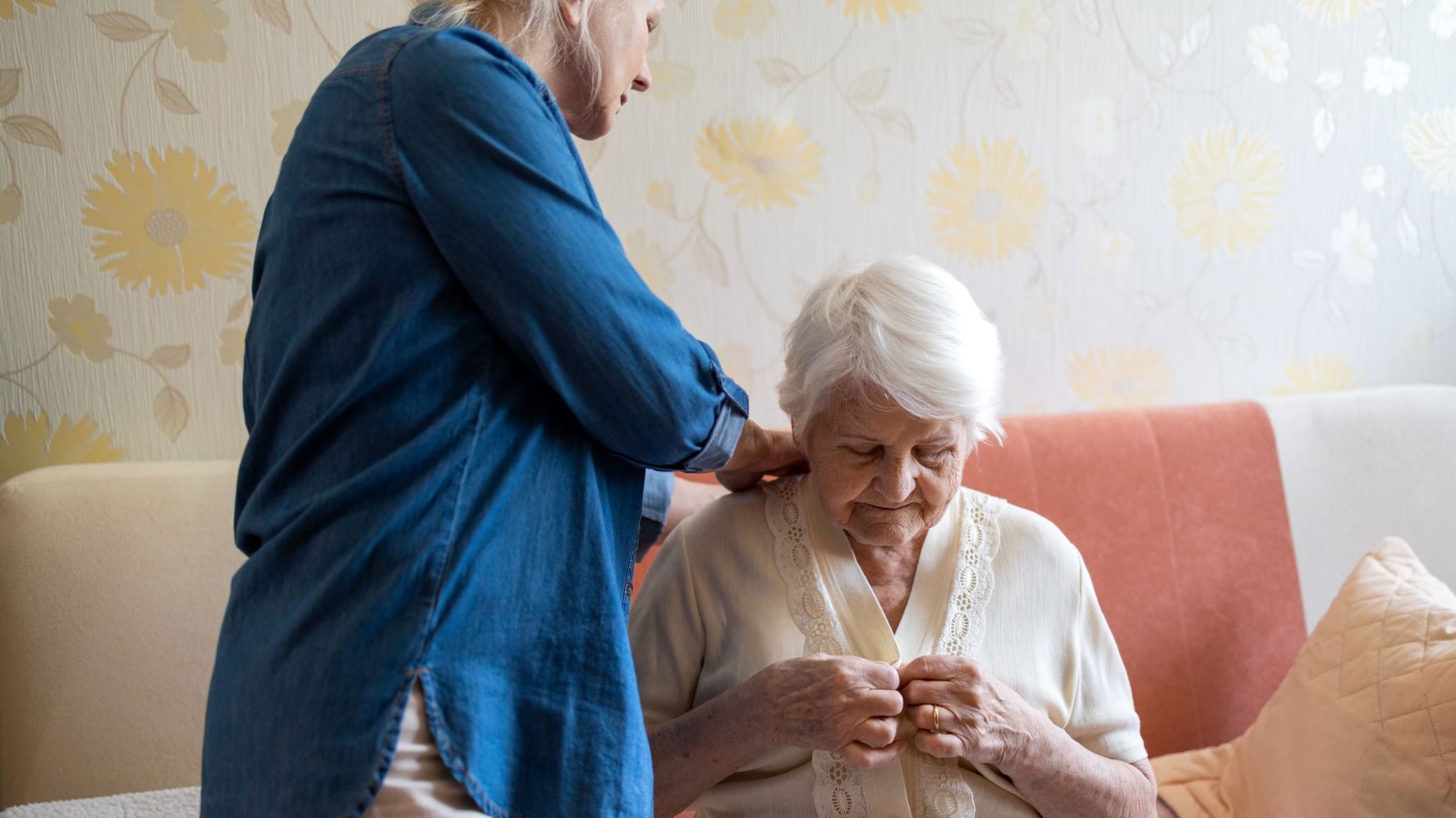
Tip 3: Think About Pacing While Assisting
It is not just communication that requires partnership and pacing. Achieving tasks together also requires this kind of collaboration.
Imagine entering a person’s room to help them get up and get dressed for the day. If we try to go too fast, we risk overwhelming the person who can’t keep up, and we might also artificially create a disability by moving too quickly for them to participate. Not to mention, the person might react angrily. The whole exchange might take longer than if we had just slowed down in the first place, and it would be more enjoyable for both of us.
We can give time and encouragement for the person to do as much as they can themselves – even if it takes a little bit longer than if we do it all ourselves.
We can make the choices we offer easier to understand. For example, “what do you want to wear today?” may be hard to answer. However, asking “Would you like to wear your red top or blue top?” while showing the tops makes it much easier to answer.
We can shake off our stress about timing and schedules before we enter the room and try to be calm and relaxed. The person living with dementia can often pick up signs of stress and frustration and become upset themselves.
This person-centred care series keeps returning to the idea that seeing the world from the perspective of the person with dementia is key to providing great care. The topic of “pacing” is another effective way to improve our care. It encourages us to go beyond thinking about ‘where a person is coming from’ to also consider ‘how fast are they travelling?’ It enables us to truly walk alongside people with dementia.

Would You Like To Find Out More About Working at the Pace of People Living With Dementia?
You can watch a video about communication here.
Dementia from the Inside is a short video that explores the thoughts of a woman living with dementia. How do you feel when the caregiver says “oh for goodness sake” or “come on”? You can watch it here.
You can read more about communication here.