

Person Centred Care: Strengths
Person-centred care helps people use their strengths and abilities
Much of our health system is focused on identifying the problem and minimising its negative effects. That’s important. But it is only half the story. Taking a strength-based approach is about focusing on what’s strong, rather than what’s wrong. It’s about focusing on what people can do and what’s important to them, rather than just focusing on their support needs.

Kat’s Story
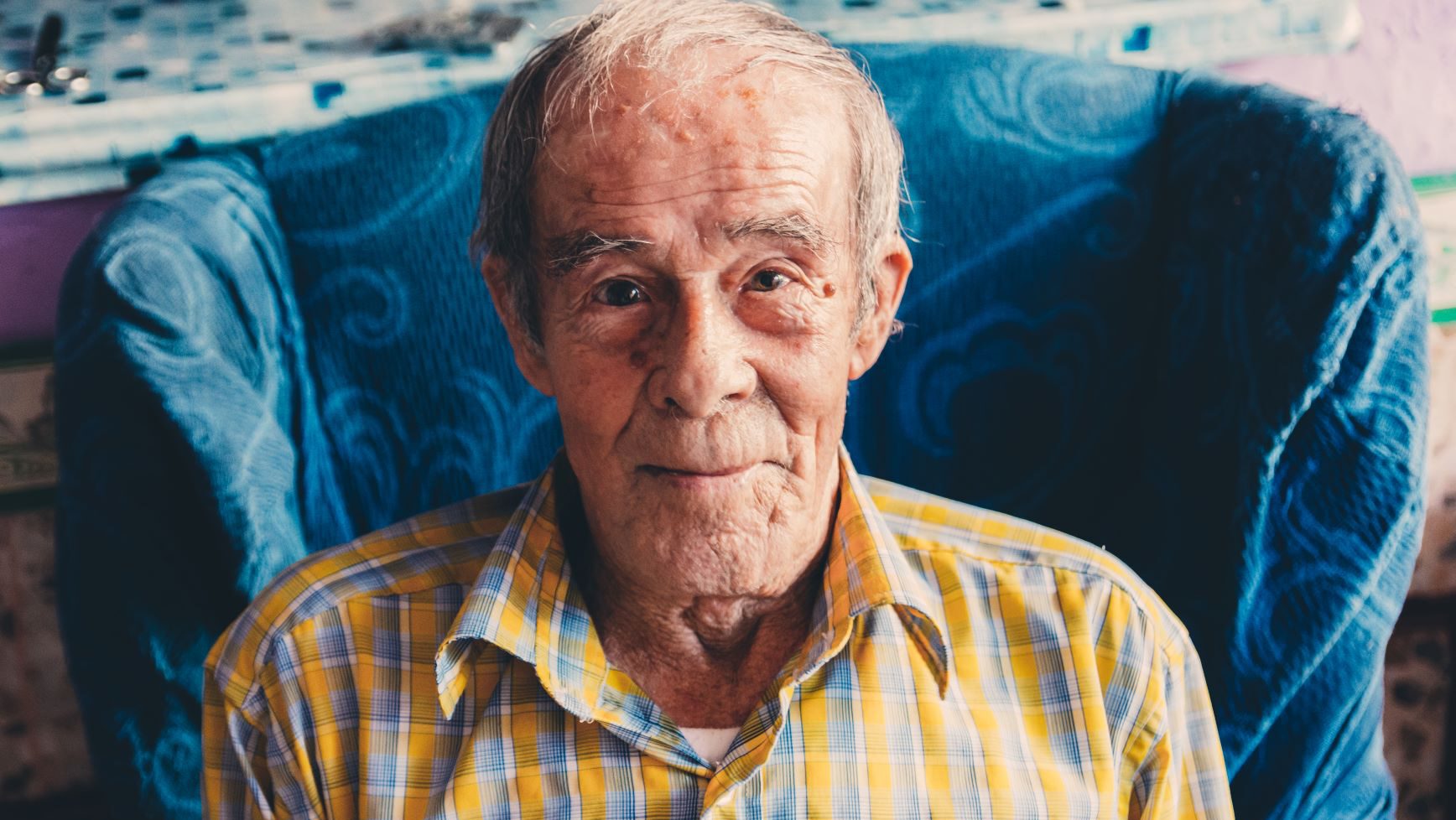
John was attending our day programme for people living with dementia.
One day, while a staff member was cleaning the fish tank, we discovered that John could catch a goldfish in his hand.
He became a bit of a legend! John began helping with the fish tank regularly and really looked forward to it.
What Do We See in Kat’s Story?
John had experience keeping freshwater fish. It was a hobby that he enjoyed. He had those legendary fish-catching skills. These are all strengths.
We can see Kat and her team discovering John’s strengths, not just his challenges.
We can see how this focus on strengths boosted John’s self-esteem and enjoyment.
Kat and the team embrace the opportunity for John to connect with people and to shine.
John was acknowledged as a contributor and as useful. (Thanks to Kat Snowdon for the story of John and Norman the goldfish).
Tip 1: Look for Strengths of the Mind
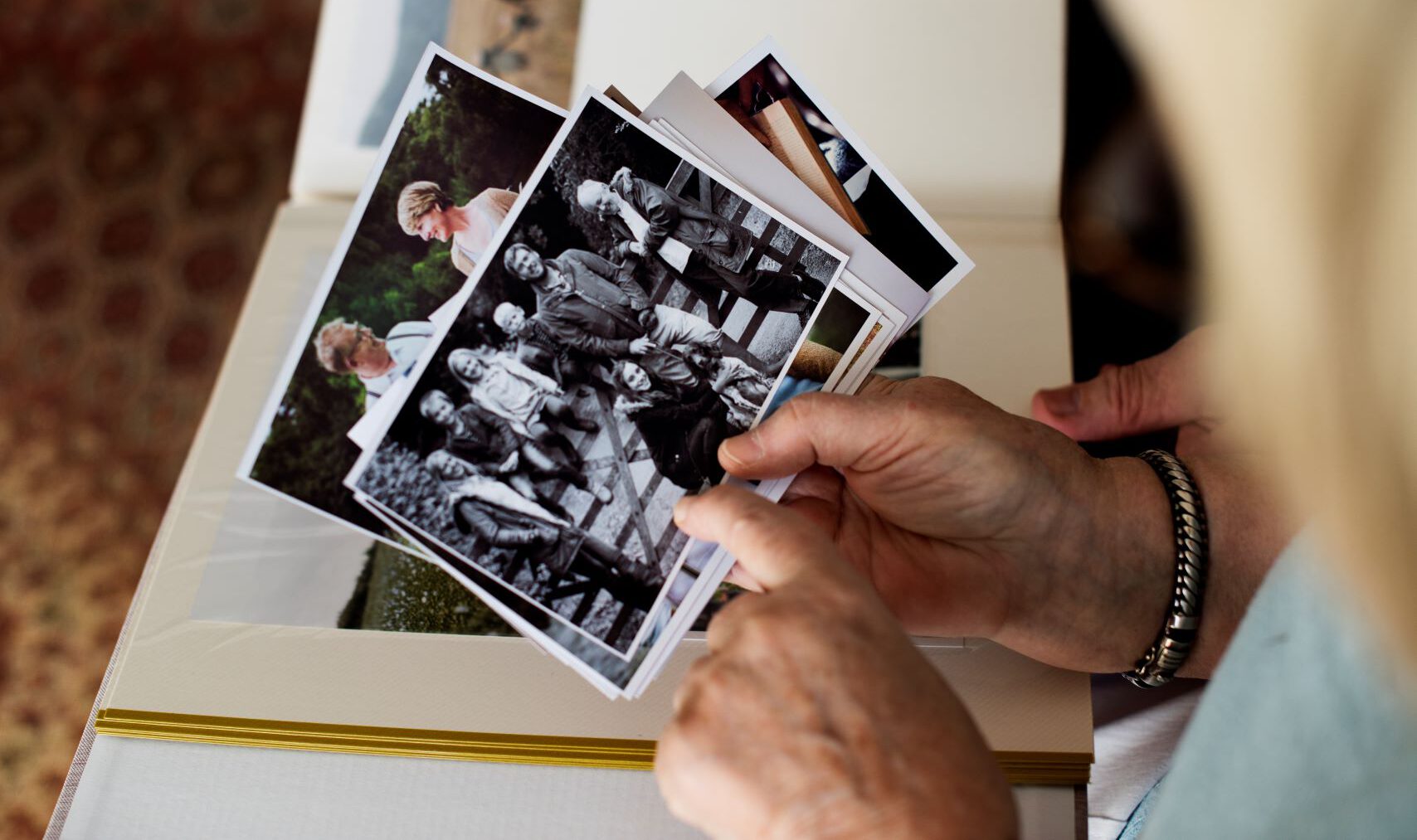
John had experience and knowledge about keeping freshwater fish.
Knowledge, questions, experience, and information that the person can contribute are all strengths
We can ask people for their advice and opinions.
We can listen, really listen, for what they want – because they are the expert in their own life. Some people will be able to tell us, but for others, we are listening beyond words to how they respond.
Tip 2: Look for Strengths of the Heart
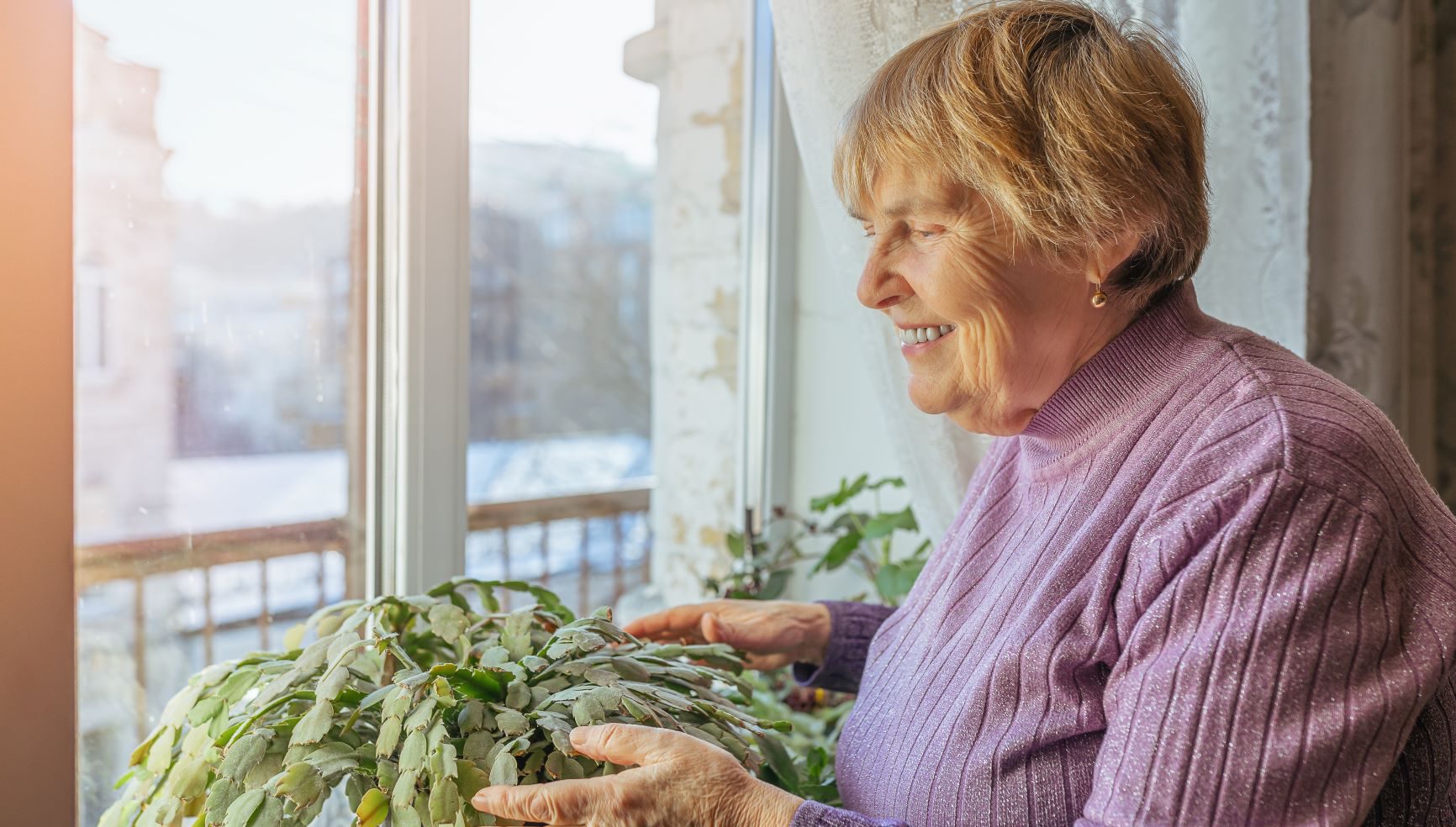
Interests, passions, and hobbies are all strengths.
The Mental Health Foundation has a great slogan: Do what you can. Enjoy what you do
By helping John use his strengths and abilities, he is doing more of what he can and enjoying it more.
We can find out about what is meaningful for the person we support. Your organisation might have an ‘about me’ page or booklet. We can get to know people by listening to the conversations we have – especially if we don’t only talk about problems and tasks!
We can look for opportunities for people to talk about, look at, and do the things that are meaningful to them. We can look for barriers that might be stopping them.
Strengths of the heart could include things that make us feel we belong, like culture, faith, groups, communities, places, or roles.
We can be interested. We may be able to find ways to help the person connect.
The person’s relationships, friendships, and social skills can be important strengths too.
It’s lovely to see those around John, both staff and clients, celebrate his fish-catching demonstration. Our relationship with the people that we support is important, and we want to be a good company. But we are never enough on our own. When we help people to connect with others, like the other clients joking with John, we help build their strengths.
Tip 3: Look for Strengths of the Hands
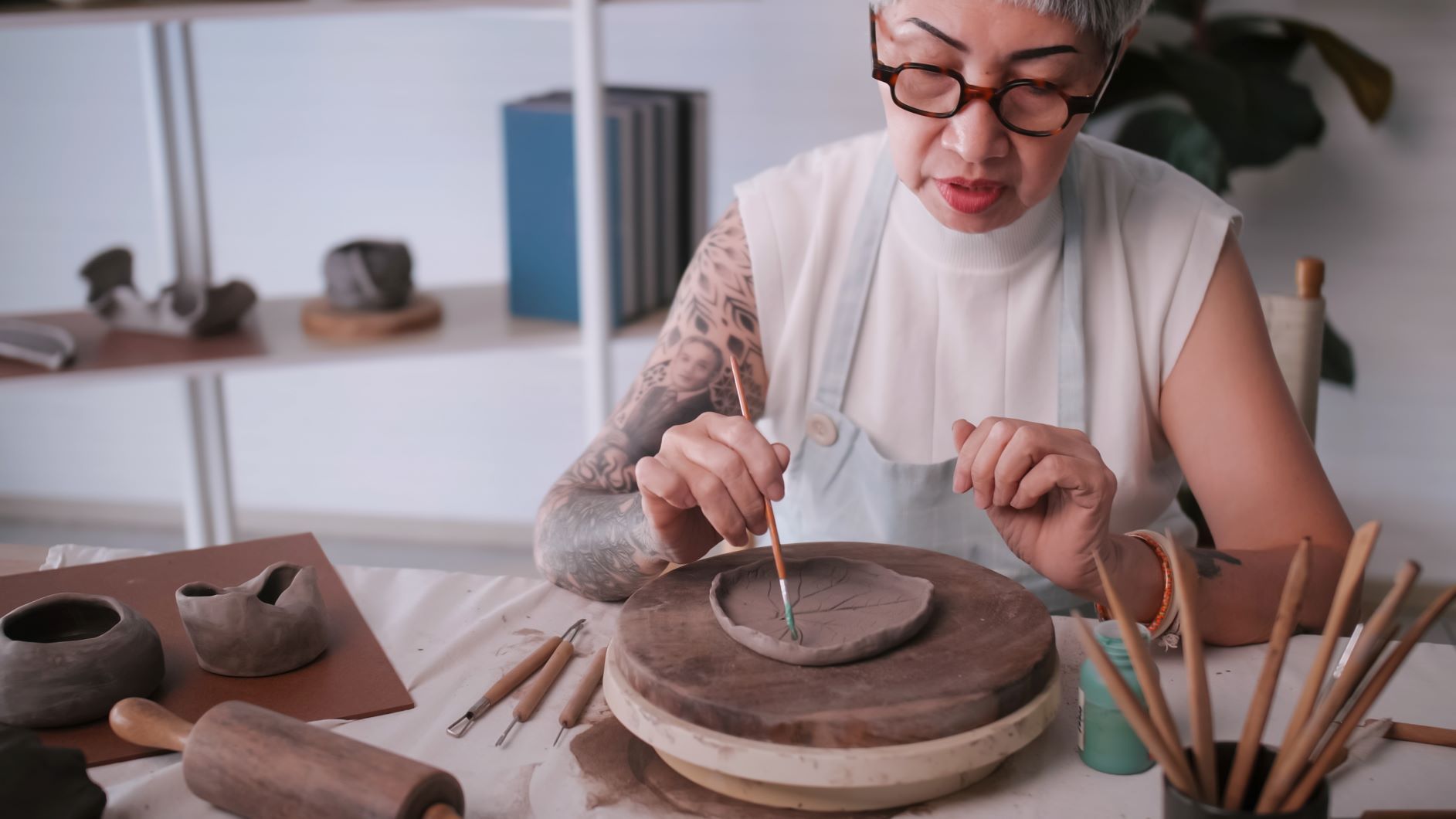
Abilities and skills are strengths.
We can find out what people can do for themselves. We can find out what people can do with support. We don’t assume that we need to do things for people.
Sometimes it might take a bit of time to build up someone’s confidence.
We can find out about skills and talents. Just like John, people can be legends at unexpected things!
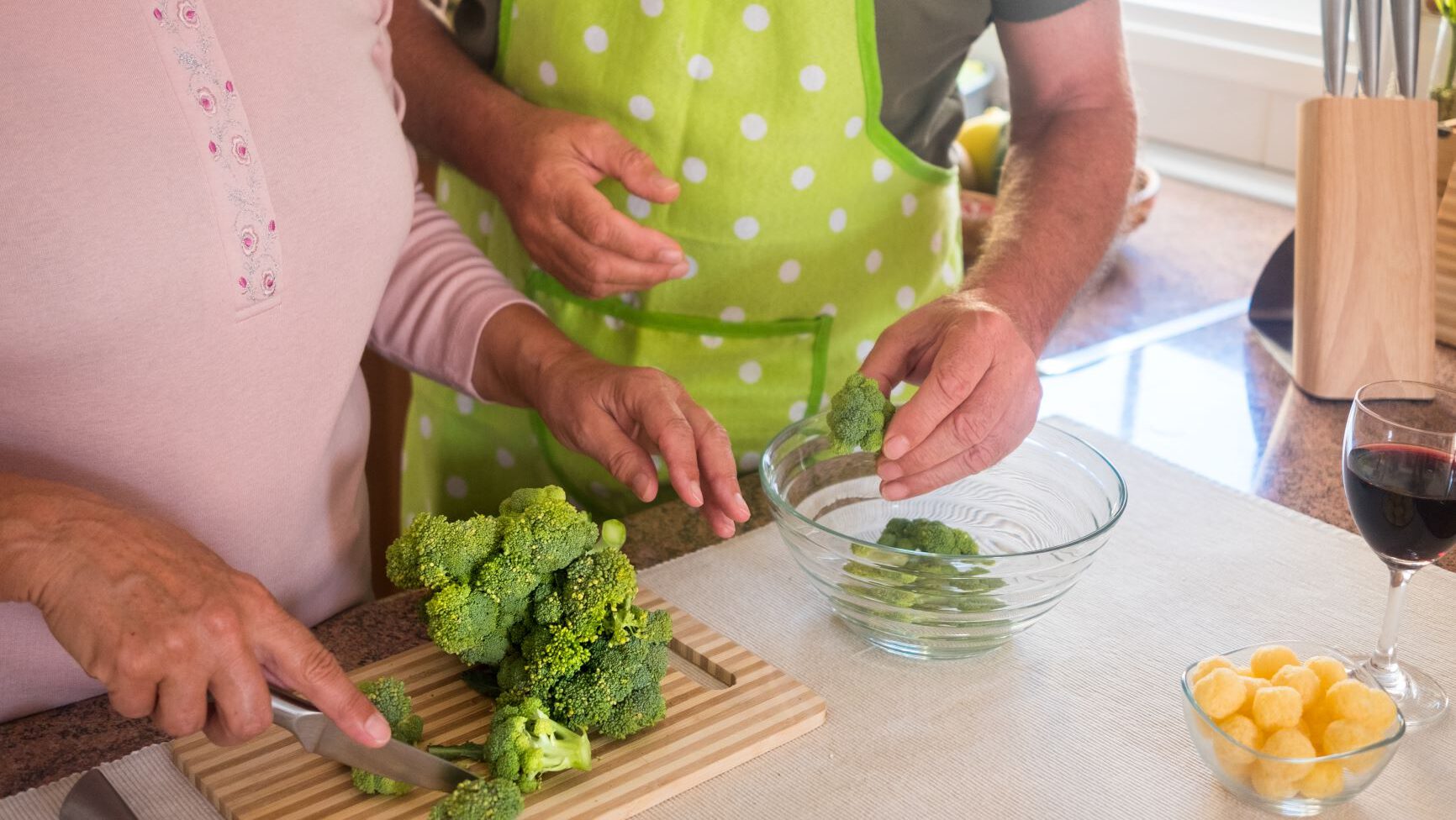
Tip 4: Look for Opportunities to Give and Share Gifts
Giving isn’t just about giving things. Helping other people and sharing skills can help us to feel better emotionally and help us to feel better about ourselves
Opportunities to give can help people to feel a sense of purpose.
We can provide opportunities and reinforce that the person is useful and contributing. We can ask them to help us.