

Brain Health Tips: Depression
Research shows that brain health is promoted by getting good treatment if we become depressed.

Depression and Dementia
The links between depression and dementia are complex. People who have had an episode of depression anytime from mid-life onwards have a higher risk of developing a dementia illness in later life, and this association becomes stronger when studies examine this link for depression occurring in old age.
However, depression can be an early symptom of a dementia illness before it is diagnosed, which may explain at least some of this association.
Of course, depression and its ‘evil twins’, high stress levels and high anxiety, are all harmful and painful for us whenever they occur in our lives. Even if there were no link with dementia, we would want to avoid travelling through such a period, or to limit how severe and prolonged any depression was.
Biological Links
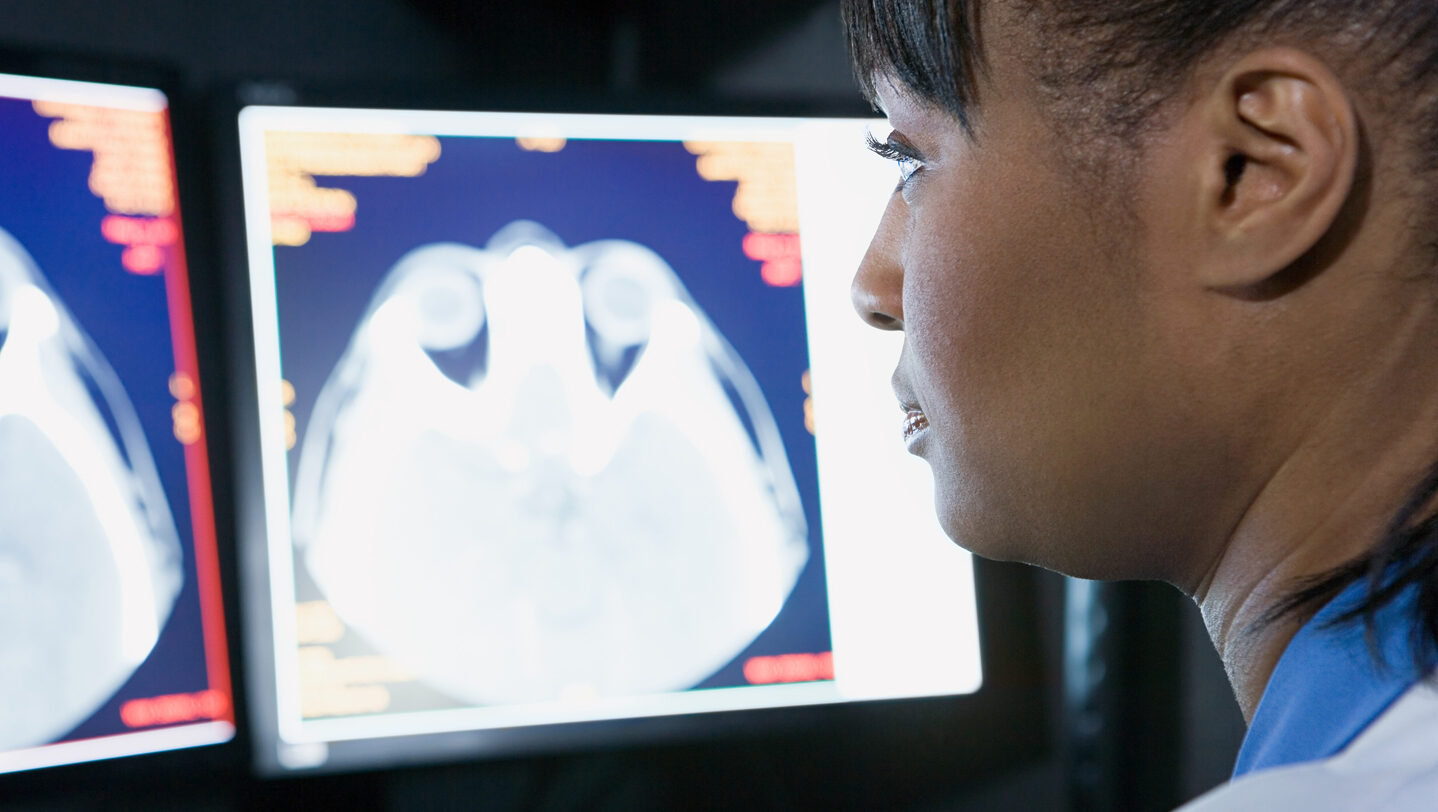
It is known that the body’s stress responses, which occur as part of depression for some people, can cause damage to brain areas important in some common dementia illnesses, such as prolonged over- or under-activity of the cortisol system.
Research has also shown that some antidepressant medications reduce the chemical changes of Alzheimer’s disease in test tubes and animal experiments. These are all very encouraging pieces of information.

Treatment
One way of thinking about depression and its treatment is that although there are many paths into depression, there are also many paths out.
Biological changes can take us into the pit of depression, such as side effects of medications and hormonal imbalances, for example. Still, biological treatments can help us climb out again, such as antidepressant medication and restoring healthy exercise.
Psychological influences can take us down, such as negative thinking patterns we developed in childhood that are activated in adulthood. Still, psychological treatment can bring us up, such as counselling and psychotherapy.
Social factors can push our mood into depression, such as bereavement, loneliness, and unemployment. Still, positive social connectedness can lift our mood back to normal, for example by re-establishing connections with friends and family.
Spiritual influences can lead to despair, such as losing our faith or questioning our purpose in life, but they can also bring us back into the light, such as joining a faith community or finding new meaning in our lives.

Is It Worth Getting Help?
The key is that if we become depressed, stressed, or anxious to the extent that it significantly interferes with our ability to carry out our normal lives for weeks at a time (or causes serious risks or major suffering), then we should seek help from a health professional that we trust to discuss options to help us recover. The worse the depression, the more we should look at biological, psychological, social, and spiritual solutions that could help us – and if the plan we make doesn’t work, we should seek more advice and change strategy.
For those of us who live with a degree of depression, high stress, or anxiety most of the time, the issues are to learn how to minimise the symptoms, avoid major crises, and get by as best we can. This is a specialist area, just like managing life-long arthritis requires specialist help.
For people already living with dementia who develop depression, stress, or anxiety, there is no strong evidence at the moment that treating these problems will alter the course of the dementia illness for the better (but it might!). However, why would we want someone to carry the burden of dementia and the burden of depression, stress, or anxiety? We wouldn’t! Depression and its ‘evil twins’ can be treated in the context of dementia just as they can for those of us who do not have dementia. It can be more difficult to treat, but that requires more imagination and persistence on our part.