

Brain Health Tips: Modest Alcohol
Research shows that brain health is promoted by keeping alcohol intake to a very modest level.

Alcohol Use in New Zealand
It is commonly assumed that risky alcohol use is a young person’s problem. Still, research by Dr Andy Towers’ team shows that upwards of a third of New Zealand people aged 50 and older may be drinking hazardous amounts of alcohol. Read here
Some people start drinking in a risky way in late life, for example, after retirement or a bereavement.
Others carry risky levels of drinking with them from younger adulthood into older age.
The pattern of risky drinking changes with age, with more older people drinking ‘little and often’ compared to larger amounts in a single go.
This is more likely to lead to contact with the health system, such as broken bones from falling, rather than to social problems, such as getting into trouble with the law.
The role of alcohol in causing problems in a person’s life is more likely to be hidden when they are older compared to when they are younger.

Drinking Alcohol Is Linked to Cognitive Decline
The scientific paper review by the Lancet Commission led them to conclude that the most risky type of drinking for causing dementia was excessive drinking in mid-life, which was associated with a 20% increased risk for dementia overall. Still, some studies point to a much higher risk than that, depending on how much alcohol is consumed.
It is also known that alcohol raises the risk of falling in old age (not just during periods of intoxication), and head injuries are a strong risk factor for worsened cognitive function and dementia.
Besides causing cognitive impairment by direct effects on the brain and via head injuries, alcohol can also affect the brain by worsening:
– blood supply to the brain
– the supply of specific nutrients that are important for brain health, such as the vitamin thiamine
– how the pancreas works to control blood sugar
– how the immune system works to handle inflammation
– the adequacy of a person’s diet overall
– the effects of stress, depression and anxiety
When a person already has some cognitive decline, alcohol is even more risky because its negative effects on emotions, clarity of thinking, and balance are stronger than they were before the cognitive decline.

Is Reducing Alcohol Intake Helpful?
There is some evidence that (very!) low amounts of alcohol may be beneficial for brain health, but it is also known that for some health problems, such as cancer risk, there is no “safe dose”.
Since many New Zealanders drink more than the amount that even the most liberal doctors and scientists think is healthy, most of us should reduce our alcohol consumption if we want to support our brain health and prevent dementia. All of us who already have cognitive impairment should reduce or cease our alcohol consumption.
People with dementia illnesses that are directly caused by alcohol need to become abstinent and can expect cognitive function to improve over the following six months gradually. This improvement is sometimes dramatic.
What Are Some Ideas To Help Reduce Alcohol Intake?
There are now many ‘low’ or even ‘no’ alcohol beers and wines available. Could they be substituted for regular full-strength alcoholic drinks? What about some of the other fancy non-alcoholic drinks also on sale, such as colas and juices?
For people who regularly drink more than a glass of wine or a bottle of beer each day, instead of trying to go “cold turkey,” it is safest to reduce their intake gradually.
The most important prerequisite for a person reducing their alcohol intake is clear motivation to do so. Motivation works best when it comes from within rather than relying on others’ opinions and advice. If we want to help someone move towards deciding to reduce or stop drinking alcohol, we can help them to honestly weigh up the pros and cons of making this healthy change. We can provide information, but it is important to let the person reach their own conclusions.
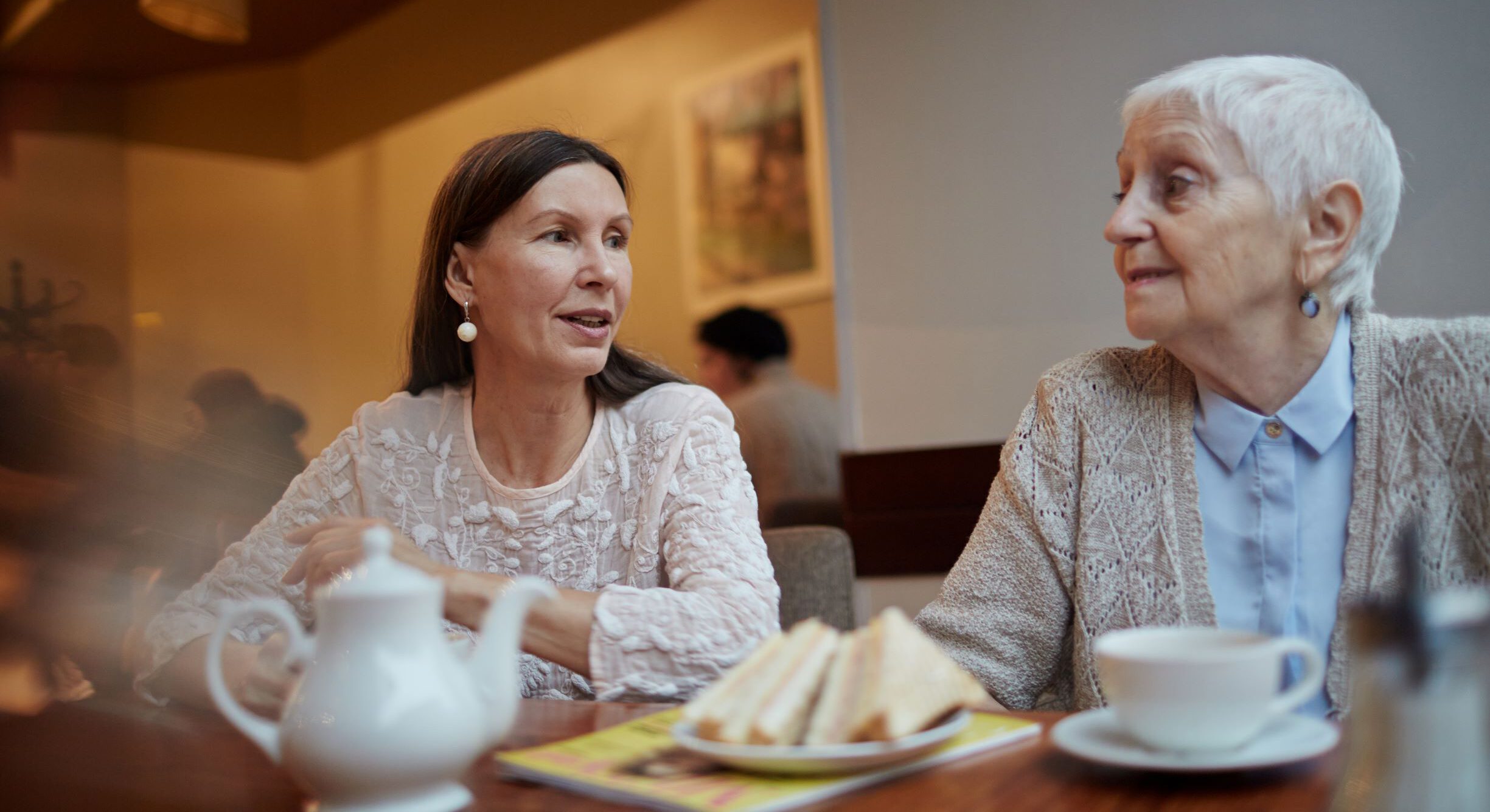
Another important factor is the availability of alcohol and the social settings in which it is consumed. If alcohol is often around, it is difficult to avoid using it. If others are freely drinking, it is even harder to avoid joining in. For example, aged residential care settings might need to examine their “Happy Hour” traditions in light of the brain health of the people who live and work in them. Sometimes, the ‘treatment’ of dangerous alcohol use is to change the environment so that there is less trouble with the supply of alcohol.
Older Persons Mental Health teams and Alcohol and Other Drug services can help assess a person’s motivation to change, support people to re-evaluate their alcohol use, and access whatever supports are available in a person’s area to help them safely and effectively reduce their drinking.