

Brain Health Tips: Blood Pressure
Research shows that brain health is promoted by maintaining healthy blood pressure and cholesterol levels.
Research shows that brain health is promoted by maintaining healthy blood pressure and cholesterol levels.

High Blood Pressure
The body needs to maintain a certain blood pressure to move blood through the circulatory system.
Blood pressure is usually measured at the arm and recorded as two numbers – the top “systolic” pressure just after the heart has contracted, and the bottom “diastolic” pressure just before the next heartbeat. This is recorded in “millimetres of mercury” (mmHg) because that’s how blood pressure was traditionally measured.
A person has high blood pressure, also known as hypertension, when their blood pressure is above a certain value while they are calm and at rest. This is often defined as a systolic pressure greater than 140 mmHg and/or a diastolic pressure greater than 90 mmHg when measured in the arm.
In a study done in New Zealand between 2008/2009, 31% of participants had hypertension. In the USA, between 2017 and 2018, it was 45.4%. Males are more likely to have hypertension than females.
While most hypertension is diagnosed during a clinic appointment with a health professional, there is increasing awareness that some hypertension occurs mainly during sleep. This is called “masked hypertension”.
Hypertension is associated with an increased risk of heart attacks, heart failure, strokes and narrowing of blood vessels in the limbs. These adverse outcomes become more likely if the hypertension starts at a young age and is not treated.

High Blood Pressure and Dementia
In certain studies, people with severe hypertension performed less well on tests of memory and brain power compared to those with normal blood pressure. Treating high blood pressure improved some cognitive performance. However, these studies are all small and have a short follow-up time.
High blood pressure in people 70 years of age or younger is associated with an increased risk of developing dementia later in life. Those with hypertension in mid-life, from 40-59 years, are at the highest risk of subsequently developing dementia.
High blood pressure can be treated using medications called “antihypertensives”. There are many types of blood pressure medications. Generally speaking, the degree of blood pressure reduction, not the type of drug used, reduces the risk of hypertension-related complications. However, certain medical conditions that might co-exist with hypertension need specific types of medications.
Use of antihypertensive medications may reduce the risk of developing subsequent dementia, especially when they are prescribed for people with hypertension under 70 years of age.
Besides taking medication, living a healthy lifestyle by engaging in moderate-to-vigorous aerobic exercise for 30 minutes a day, reducing salt intake, and losing weight helps maintain healthy blood pressure. As we have seen in other topics throughout the year, some studies have found that these same healthy lifestyle changes also reduce the risk of developing dementia.
So for people under 70 years of age, achieving a blood pressure of less than 130/80mmHg using medication and/or lifestyle changes will likely reduce their risk of developing dementia later in life. It has been difficult to prove this in studies for various reasons, but most health professionals accept that it is almost certainly true.
Once a person already has dementia, studies are much less helpful in working out what to do. What is clear is that low blood pressure is also risky, and that blood pressure can gradually drop as dementia progresses, so it may be important to reduce antihypertensive medication that was previously necessary, in consultation with a doctor or nurse practitioner.
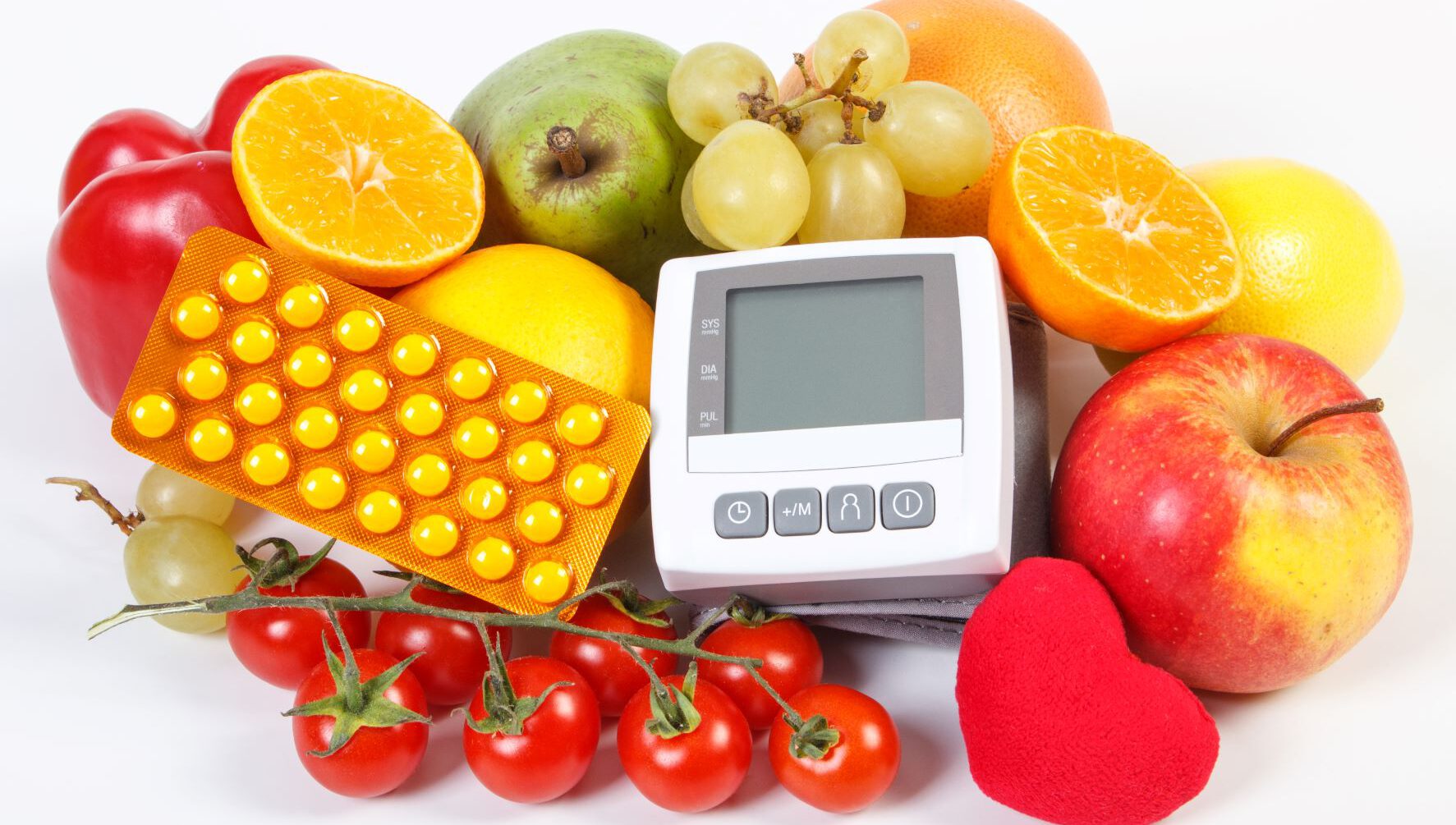
Cholesterol
“Cholesterol” is not a single thing – it is a collection of different substances used to maintain the structure and function of the human body. We need a certain level of each type of cholesterol to maintain our health.
These various forms of cholesterol are present in the blood. Their levels are usually measured from a blood test done after fasting (that is, after not eating or drinking anything except water for a period of time).
High levels of a type called “LDL cholesterol” are associated with an increased risk of heart attacks and strokes. In the USA, about 12% of those aged ³20 have raised LDL. Not surprisingly, LDL is sometimes called the “bad” cholesterol.
On the other hand, low levels of a type called “HDL cholesterol” are associated with a higher risk of heart attacks and strokes in some studies.
In most studies, lowering LDL cholesterol has been shown to reduce the risk of heart attack; however, raising HDL cholesterol has not consistently reduced cardiovascular risk.
Smoking, obesity, and a diet low in leafy vegetables, fruits, legumes (beans, chickpeas, and lentils), nuts, and dietary fibre are associated with decreased HDL levels and increased LDL levels. Regular exercise of 30 minutes a day can improve HDL levels. If regular exercise is combined with a diet rich in leafy vegetables, fruits, legumes, nuts, and fibre, LDL levels can be reduced.
A class of drugs called statins is used to treat high LDL cholesterol. In those with a prior history of having a heart attack or stroke, taking a statin has been shown to reduce the risk of having a further heart attack or stroke.

High Cholesterol and Dementia
High LDL cholesterol in mid-life (40 to 65 years) is associated with a modest increased risk of developing dementia. The higher the LDL level, the greater the increase in risk.
Higher HDL levels in midlife are, conversely, associated with a modestly reduced risk of developing dementia in later life, although not all studies find this.
Higher LDL cholesterol in older people who have had a stroke is also associated with an increased risk of developing dementia.
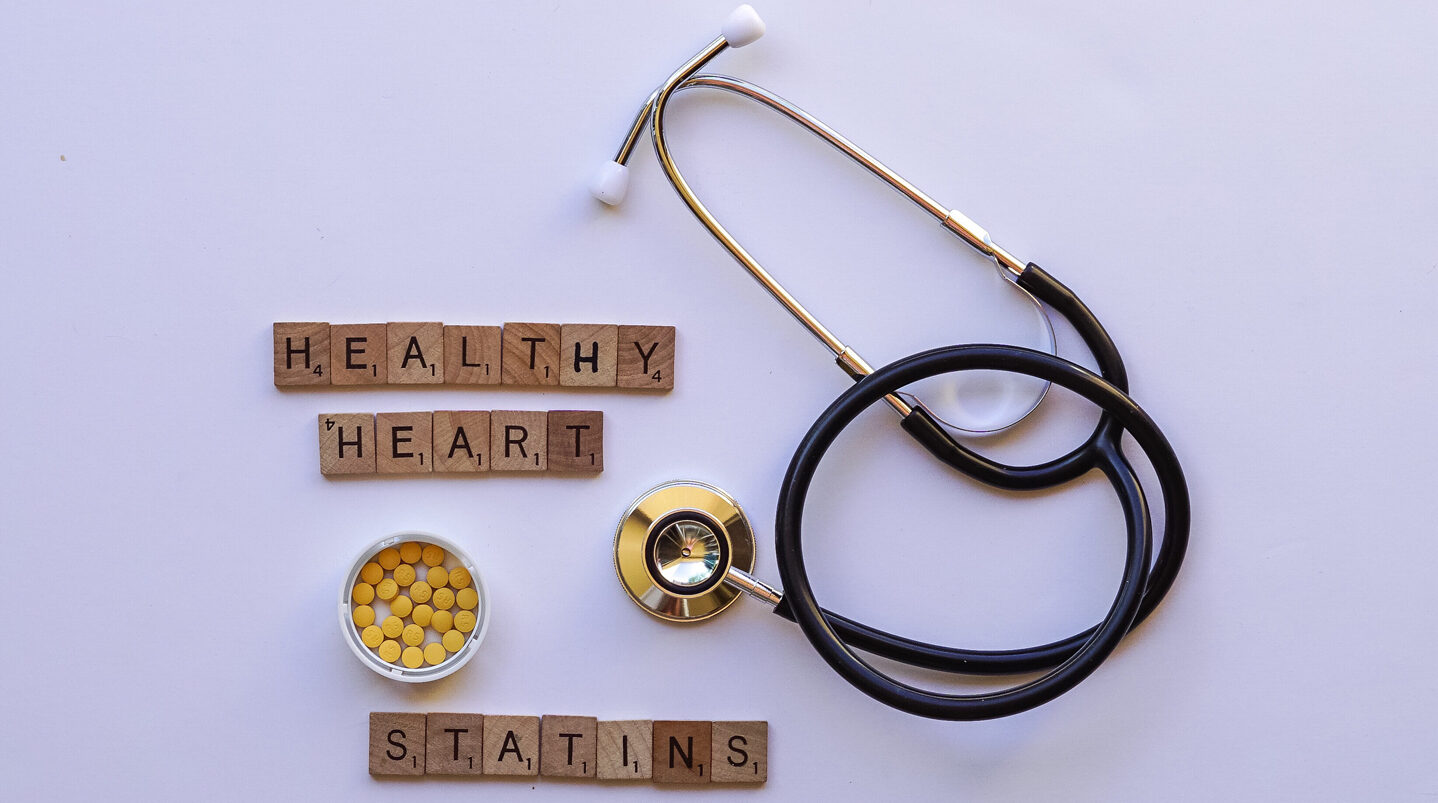
Statins, Cognitive Impairment, and Dementia
There have been concerns in popular media about statins causing impairment of memory and brain power.
While symptoms of memory loss within 30 days of starting a statin have been reported, if people then stop the medicine, these symptoms usually resolve.
Multiple studies have not found any evidence that statins cause long-term cognitive impairment or dementia.
In terms of preventing dementia, some studies have found that statins prevent dementia, while others have detected no effect. A recent paper that summarised all the studies suggests that statin use over a relatively long period is associated with a reduced risk of developing dementia.
Once a person is living with a dementia, studies do not provide any clear guidance about whether statin medications are helpful. It may be possible to stop statins at some point, with a doctor’s consultation.

Take Home Messages
To protect our heart and brain health, everyone aged 40 and over needs to ask their GP to check their heart and stroke risk factors, including blood pressure and cholesterol levels. This can be done every couple of years to keep track of any changes.
To reduce the risk of dementia later in life, it is important to maintain a normal blood pressure below 140/90 mmHg, especially between the ages of 40 and 70. GPs, nurse specialists, or pharmacists can help monitor your blood pressure, discuss lifestyle changes that would help, and provide advice on medications if required. Ideally, we aim for a BP of under 130 mmHg systolic and 80 mmHg diastolic in this age group.
To reduce the chance of dementia in later life, it is ideal to maintain a healthy cholesterol profile. If LDL levels are high, it is worth discussing with a health professional how to lower them.
Besides helping to improve our brain health and lower the risk of dementia later in life, focusing on our heart health reduces the risk of heart attacks, heart failure, and strokes. Important lifestyle factors include:
-exercising regularly for about 30 minutes a day
– eating a diet low in salt
– eating a diet rich in leafy vegetables, fruits, legumes, nuts and fibre
– quitting or refraining from smoking
– maintaining a healthy weight range.
It really is true that what’s good for your heart is good for your brain!