

Brain Health Tips: Head Injuries
Research shows that brain health is promoted by taking steps to prevent head injuries, such as those from falls and sports.
Our thanks to Dr Jackie Broadbent for her help with this month’s topic. Jackie is a geriatrician working at Burwood Hospital for Canterbury DHB.
What is Traumatic Head Injury?
Traumatic brain injury happens when some external force, such as a knock to the head, causes damage to the brain.
The symptoms of traumatic brain injury depend on the type of injury and how severe it is.
Concerning signs and symptoms after a traumatic brain injury include:
– one pupil being larger than the other
– sleepiness or being unable to wake up
– a headache that gets worse
– slurred speech
– weakness
– numbness
– decreased coordination
– repeated vomiting or nausea
– shaking or twitching, ng such as from a seizure
– unusual behaviour
– black out (loss of consciousness)
Some people develop longer-term symptoms such as:
– headaches
– dizziness
– sensitivity to light and/or noise
– difficulties with vision (such as blurred vision)
– fatigue
– epilepsy
Mild injuries usually do not require treatment, but a person may need to be monitored for several hours after an injury to ensure they recover well. Severe injuries need to be treated in a hospital, with medication and sometimes surgery.
Repeated so-called “mild” injuries, such as a mild concussion, may result in more serious symptoms. Any concussion indicates that the brain has been injured.
It is estimated that there are more than 100 cases of traumatic brain injury each day in New Zealand. The most common causes of brain injury are falls, road traffic injuries, assaults and sports.
Traumatic Brain Injury and Dementia
A possible link between traumatic brain injury and dementia was raised many years ago after it was noted that some former boxers developed brain disease at a younger age than might be expected.
Some studies have shown traumatic brain injury is a risk factor for dementia, but other studies have not supported this. Better quality studies are needed.
The Lancet Commission report update highlights two large studies that each included data from more than 3 million people, one in Sweden and one in Denmark, that have found that traumatic brain injury increases the risk of a diagnosis of dementia, especially soon after the injury. Another large study of 178779 veterans found that the more severe brain injuries were associated with a higher risk of dementia.

Brain Protection
Increasing attention is being paid to preventing head injury, for example, in occupational or sports settings.
This includes measures such as wearing a seatbelt in a vehicle, a helmet when cycling, and appropriate headgear when playing sports.
Brain Protection for People Living With Dementia
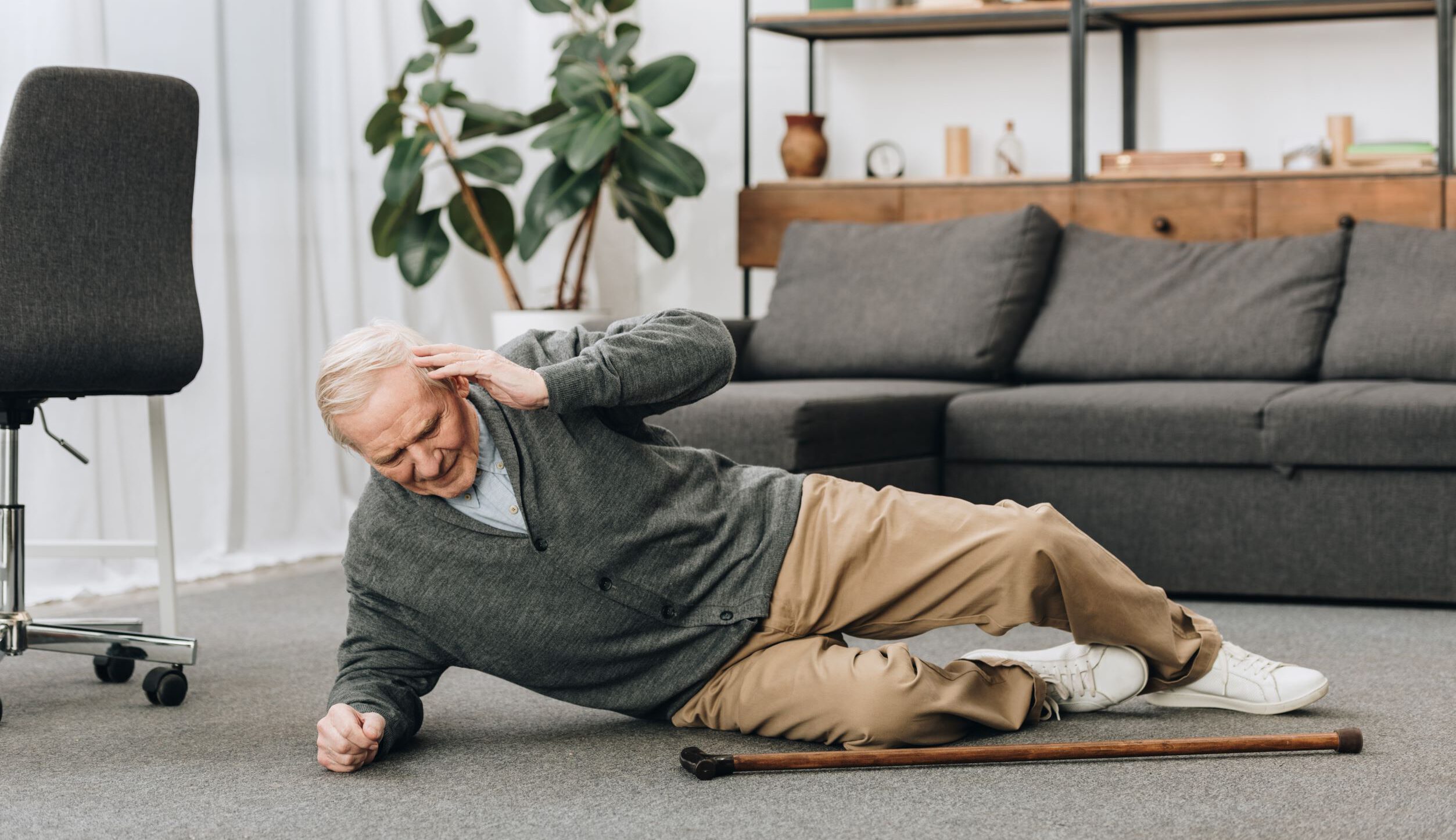
Traumatic brain injuries experienced by people with dementia are often caused by falls, resulting in a bump on the head. If a person with dementia experiences a brain injury, they may have a drop in brain function or a temporary period of increased confusion (delirium). This may improve with time, but in some people it does not. It is important to seek a medical review to rule out other causes of worsened confusion.
Strategies to reduce falls and head injuries may help preserve brain function in people with dementia. Reducing the risk of falls is important, but this must be balanced with the need to maintain exercise and a good quality of life.
Take Home Messages
Blows to the head can cause brain injury
If you experience any dangerous signs or symptoms, seek emergency medical attention.
Brain injury can be prevented by:
– A seatbelt (or appropriate car seat for young children)
– Never driving while under the influence of alcohol, illegal or prescription drugs that are causing impairment
– Wearing an appropriate helmet or headgear when participating in sports or cycling
– Reducing risk of falls in older adults
– Making play areas safer for children