

Person Centred Care:
Socially Supportive
Person-centred care involves including people with dementia in supportive social networks.
People with dementia have the same needs as those of us who are not living with a dementia illness for inclusion and social connectedness. A sense of belonging makes us feel valued, respected, and loved. In the same way, feeling excluded can make any of us – dementia or no dementia – feel rejected, abandoned and hurt.

Nathan’s Story
We had a resident, Gary, with a mild dementia who was very depressed, anxious, and had low self-esteem. He was very isolated and would remain in his room all day, even for meals.
I spent time getting to know Gary and gaining his trust.
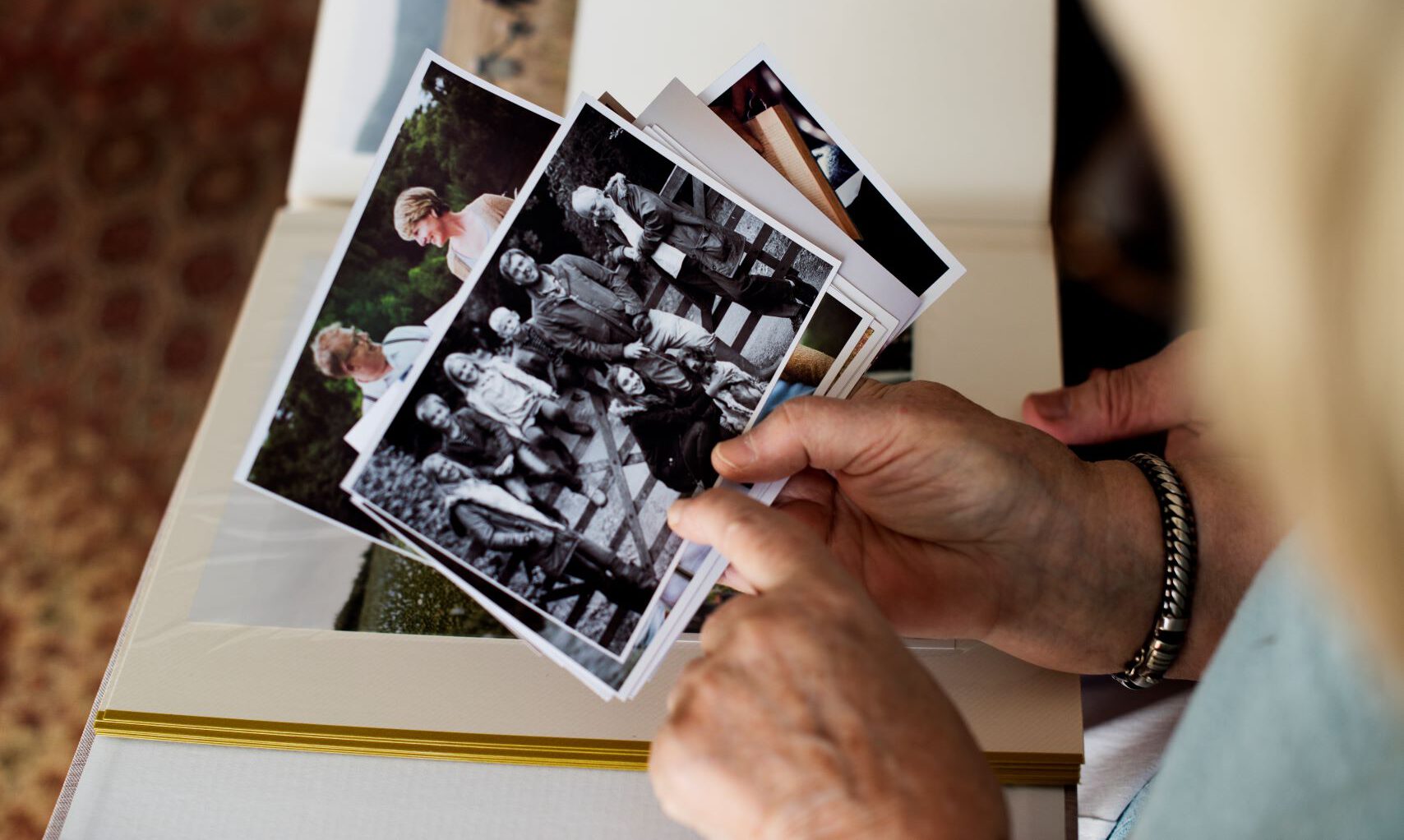
Then I worked with Gary to write up the story of his life, and I helped him present it to his family and the staff.
He gained the confidence to interact with others more and join in some of our activities.

What Do We See in Nathan’s Story?
Nathan recognised the importance of making Gary feel included.
Nathan showed respect by getting to know Gary.
Nathan welcomed and involved people who were important to Gary, his family.
By sharing Gary’s life story with the staff, Nathan helped create an atmosphere in which Gary felt wanted and accepted.
Nathan recognised and responded to Gary’s anxieties, helping him find ways to make his social interactions more comfortable.
Gary and Nathan worked together on a shared task that helped Gary stay active and involved and helped Nathan form a connection.
Nathan looked for ways to help Gary build wider relationships and interactions.
Thinking About The Social Environment
Dawn Brooker and Isabelle Latham (2006) emphasise that one key to person-centred care is providing a social environment that supports psychological needs. This provides a useful basis for thinking about socially supportive networks.
Here’s their big idea:
– Our lives are grounded in relationships, but people living with dementia need extra support to help compensate for their impairments and foster opportunities for social connection.
– Our interactions with other people help shape and strengthen our sense of our own self, our personhood. There is a Zulu saying that “a person is a person through others.” When a person’s sense of who they are and how they feel about themselves is shaky because of the changes their dementia has brought, we must provide extra support for positive interactions and relationships.
Let’s think about a situation like Gary’s, where the person is anxious, feeling bad about themselves, and has become isolated. (Brooker & Latham, 2016; Dementia Care Central 2021; Griswald, 2019)
Tip 1: Think of Social Interaction as Part of the Care Plan
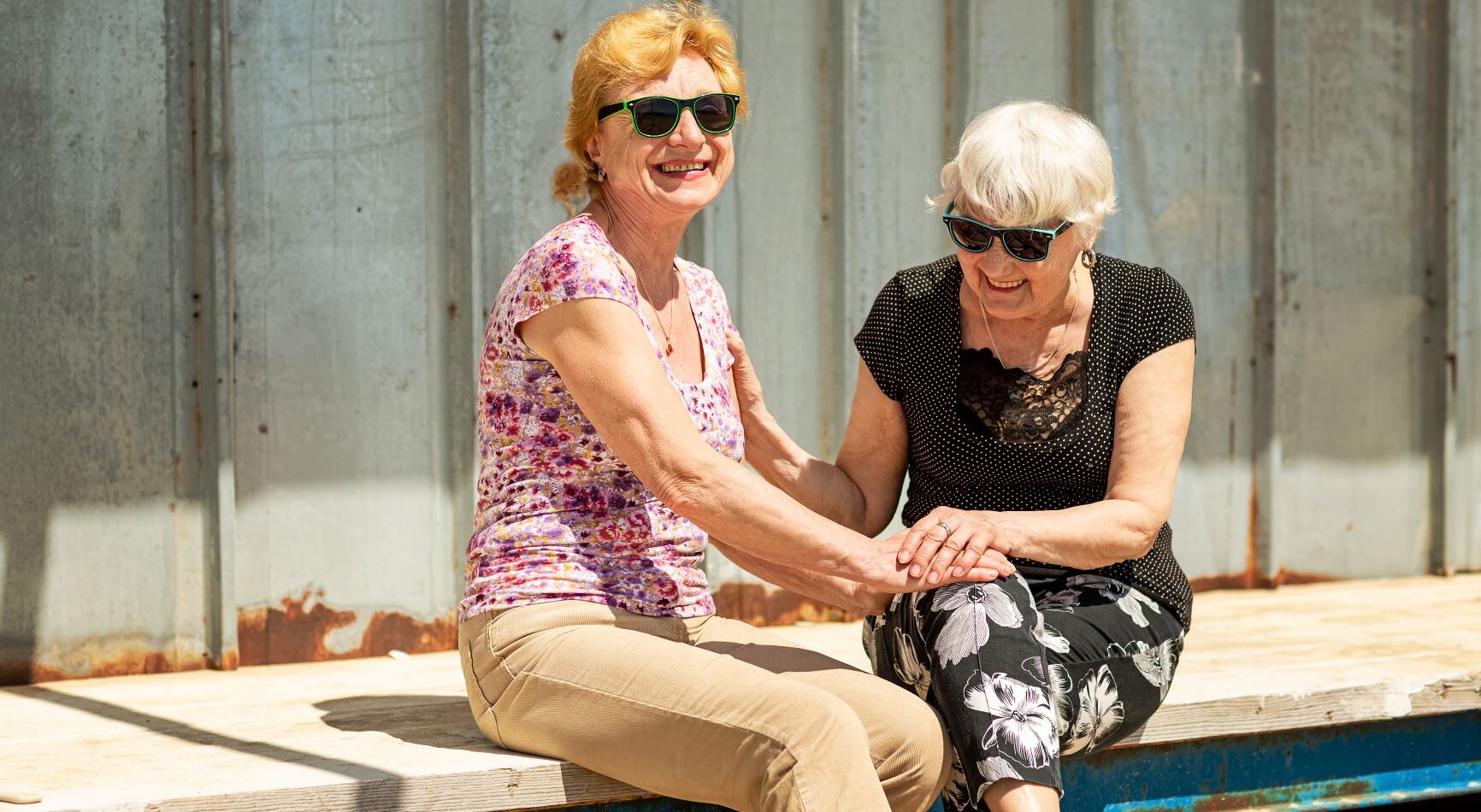
Social interaction is like exercise for the brain. Social interaction gives a person opportunities to use their cognitive abilities regularly — it might be using their memory to share stories, using the language centres of their brain, or keeping their attention.
Being socially connected may help slow cognitive decline.
Social interaction also lets people maintain the kinds of social relationships that help them feel connected and like they belong, and that reduce loneliness.
This can also have significant benefits. For example, a large-scale study in the UK found that when aged residential care staff were trained in person-centred care and given the aim of an hour of deliberate social interaction each week, residents’ wellbeing increased and signs of distress decreased (Ballard et al., 2018). What’s more, other research suggests that people who are socially engaged rather than lonely tend to be less anxious, have higher self-esteem, eat better, sleep better, and even exercise more!

Tip 2: Help the Person Feel a Part of What Is Going on Around Them
We all like to be involved, especially if it’s about us!
We want to help people feel included and attached to others.
We can encourage people to participate in social networks, even in small ways.
First, a simple step might be to consider where they spend their time. Can we help them physically move to somewhere that they can see others?
We might think about the person’s conversations. Do people only talk to them about care and symptoms? Nathan’s story provides a great example of how to identify key stories in Gary’s life that could prompt conversations.
We might think about how they are spending their time – are they active in things that fulfil them every day? We can look for ways to involve the person who makes them feel a sense of purpose and inclusion.

Tip 3: Recognise that it can feel hard for the person.
There are aspects of the way dementia affects people that may make it more difficult to connect with others, even when a person really wants to. Things like impairments in language, understanding social cues, following the polite rules of society, planning, or motivation, for example.
Anxiety is more common for people living with dementia. When someone feels anxious, especially about their social skills or how others might react to them, they are less keen to socialise. They may actually dread socialising with others. We saw this with Gary, who felt anxious about their social abilities and bad about himself.
You must consider the feelings of the person you are supporting as you also encourage socialisation.
We want to make it as easy as possible to be with people. As care partners, we have a special role in helping people bridge the gaps dementia can create, so their efforts are more successful and the person feels more confident.
Building a relationship with Nathan served as a bridge for Gary to form stronger connections with others. Isn’t it often the way? When we make a new friend or welcome a new person into our family, we get to know their friends and family, too. Connections lead to more connections, whereas isolation leads to more isolation.
You make great practice for feeling like social interactions are manageable. If you are upbeat, it helps create the vibe! You can use your facial expressions and tone of voice to show you enjoy their company. The message you are giving is that they are a person worth spending time with.
Remember that the part of the brain that helps us understand language is different from the part that helps us to speak. So the fact that someone may struggle to talk in a conversation doesn’t mean that they don’t understand what is being said. Even when a person has severe dementia, they can still respond to the intention to connect and to warmth from people.
If you have ever gone through a time where you felt cut off and disconnected from others, how did this affect you? How would other people have noticed that things were not right in your world? Is there anything to learn from your experience that can help you recognise the signs of social isolation and exclusion for people with dementia that you work with?.

Tip 4: Try to Make Opportunities
Like many things, a bit of planning can help make that regular social engagement happen.
For many people, especially men, doing things side by side together is a less anxiety-provoking way to socially engage than a situation that is all about ‘making conversation’
Consider scheduling activities that help the person engage with you or others. You might have some resources to help the conversation along – a life story book, or some potatoes to peel.
You might have thought of some conversation starters, like favourite meals or gardening, to talk about while peeling the potatoes.
Get to know the best time of the day. For example, some people living with dementia may be tired or unsettled later in the day.
Getting to know the person will help open up ideas. We are all more positive about getting up and socialising if it’s a routine that we love or are interested in.
Look for ways to involve the people who are important to the person. We saw this with Gary and his family. Sometimes, family or other visitors may appreciate your gentle help with ideas for engaging activities and what to expect (for example, letting them know about Gary’s story book or his precious tomato plant).
Family caregiving can be really rewarding, but it can also be stressful and sad. We can welcome and support the time families spend engaging with the person without making judgments or pressuring them to be more or less involved.
Sometimes going places can foster a sense of community and involvement in everyday life, whether it’s a city library or a supermarket. Sometimes these places might be brought to the person in some way.

Would you like to find out more about encouraging social engagement?
You can watch a 1-hr mini-conference webinar from the engAGED National Resource Centre in the US here.
You can visit the Conquering Loneliness in New Zealand website here.
You can remind yourself that connecting with others is one of the five pillars of well-being for yourself and the people you support here.