

Brain Health Tips: Diet
Research shows that brain health is promoted by adopting a healthier diet.
Our thanks to Professor Carol Wham for her help with this month’s topic. Carol is a dietitian and professor of public health nutrition at Massey University in Auckland.

Diet, Cognitive Impairment, and Health
There is strong evidence that following the MIND diet (Mediterranean-DASH Intervention for Neurological Delay) may reduce the risk of cognitive impairment and slow cognitive decline.
This is a combination of two approaches – the well-known term “Mediterranean Diet” and the less well-known DASH diet (Dietary Approaches to Stop Hypertension).
Brain-healthy diets are also heart-healthy and will protect against stroke, diabetes, and many cancers.
Brain health diets have also been shown to be helpful when embedded in a general programme of healthy living, including exercise and cognitive stimulation. An international research collaboration, the FINGERS initiative, has shown that a combination of healthy lifestyle changes can reduce the risk of cognitive decline among older people. You may want to check out our other tips on healthy weight, glucose control, and alcohol.
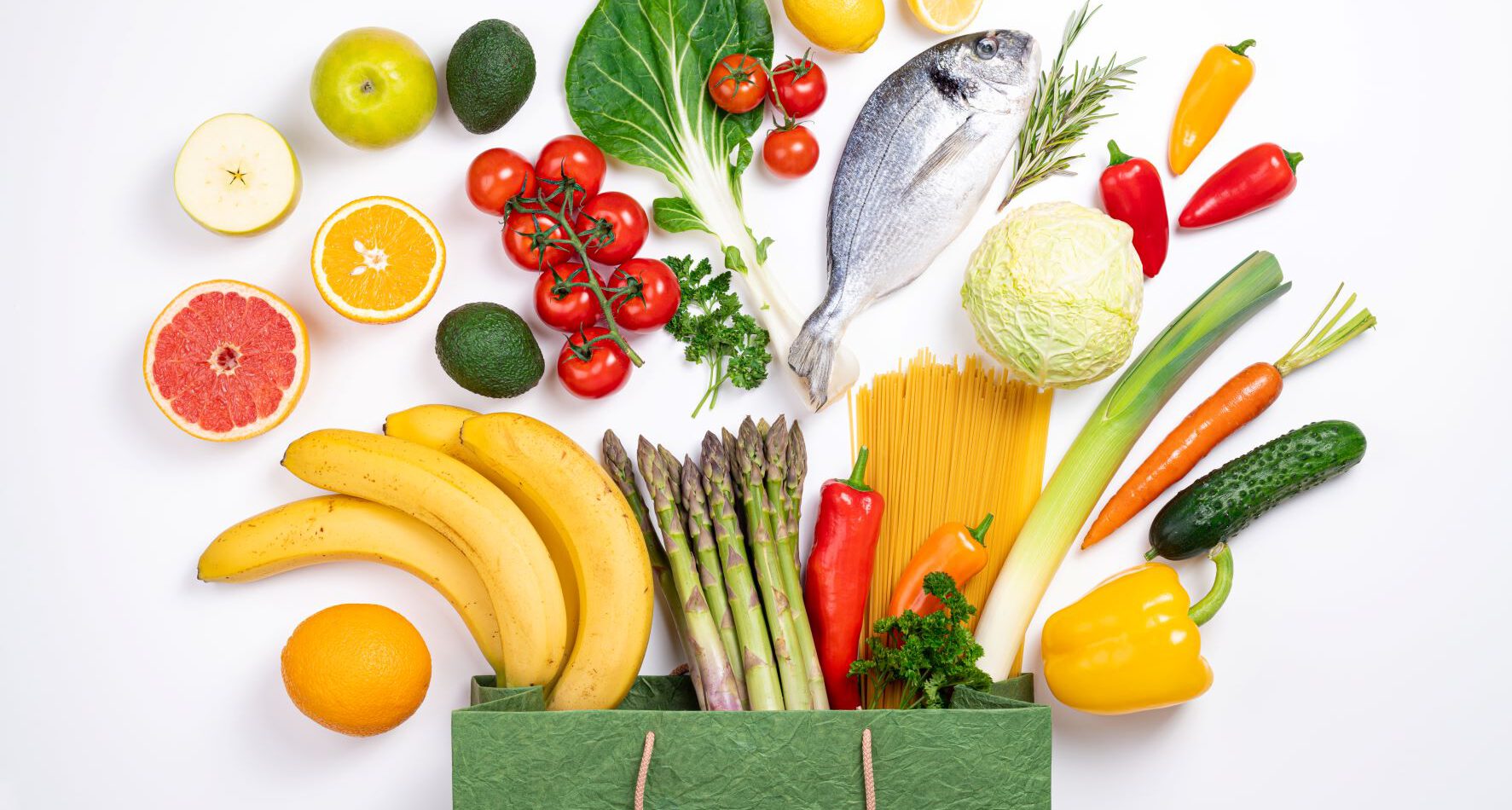
Tips For a Brain-Healthy Diet
Some of the key concepts are:
Consume an abundance of fruits (including berry fruits) and vegetables (especially seasonal leafy greens and legumes such as beans, chickpeas, and lentils), and try to “eat the rainbow” by including as many brightly coloured fruits and vegetables as possible each week. The fresher these ingredients are, the less cooking they require (raw is best, steamed, baked, or lightly microwaved next best, and boiled last). Overall, the component of each main meal made up of these ingredients can be increased.
Use whole grains rather than processed grain products, such as barley, brown and wild rice, bulgur wheat, oatmeal, as well as whole-wheat bread, wraps, pasta, crackers (and popcorn!). Another alternative to commonly used refined grains is to use legumes such as chickpeas, lentils, or canned beans. Overall, the component of each main meal made up of “traditional carbs” such as potatoes or refined grains can be reduced.
Prefer olive oil to other oils or cooking fats, and use it generously! Use of other fats in our weekly diets can be reduced.
Incorporate nuts and seeds into your weekly diet, but perhaps not as many peanuts as the others. Along with fruit and vegetables, nuts and seeds make great snacks.
In terms of protein, eat foods such as chicken, fish and eggs a few times each week, with red meat and processed meats used much less often than in a traditional New Zealand diet. Overall, the protein component of each main meal can be reduced.
Adding herbs and spices such as turmeric is also recommended, as they are often rich in antioxidants that may help protect brain cells from oxidative stress. On the other hand, use less salt.
Reduce the amount of sugars in our diets each week, especially via flavoured drinks and high-energy snacks (unless trying to encourage weight gain).
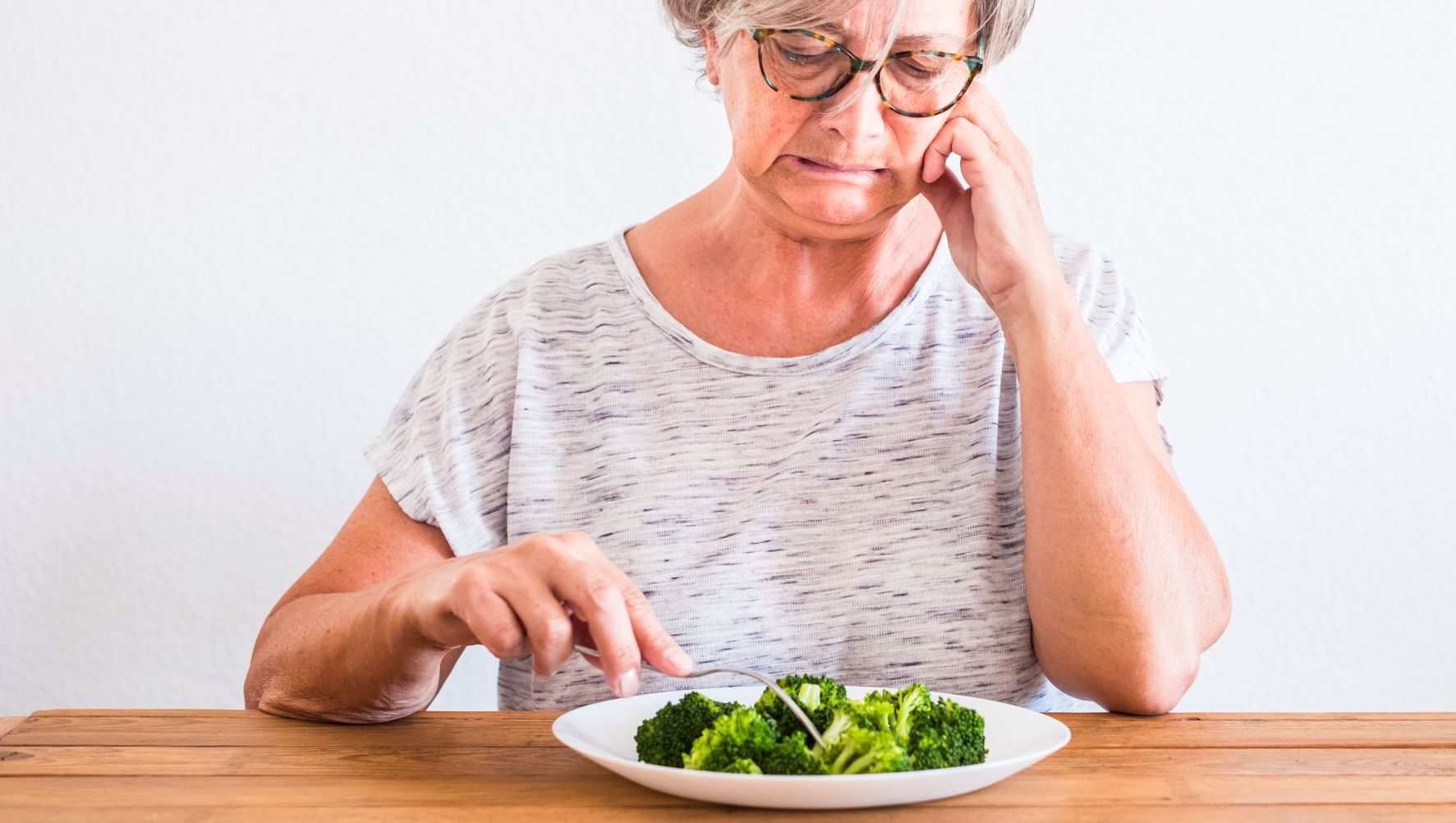
Making Changes
Some great meal ideas from the Heart Foundation are a good place to start. https://www.heartfoundation.org.nz/about-us/news/blogs/what-is-the-mediterranean-diet
The trick is not to go on some diet fad, but to think about one or two ways your current diet could be nudged in a better direction that you would enjoy, without costing more money or taking up too much time. Then, next year, nudge your diet further along the healthy-eating track. After all, we are what we eat!
What about these dietary ideas for people already living with dementia? Most of the evidence refers to preventing cognitive impairment from developing. Still, since all these ideas are good for us for many reasons, and because preventing heart disease and stroke is important whether we have dementia or not, many clinicians recommend this kind of diet for people with dementia as well as a good brain and general health strategy.

What About Supplements?
Numerous dietary compounds found in fruits, vegetables, spices, wine, tea, and chocolate (for example) have anti-inflammatory and antioxidant properties that may help prevent or treat cognitive impairment. Many are also available as supplements, such as fish oil, turmeric, Goji berries, and various vitamins.
While the scientific evidence is promising in some respects, it is not currently strong enough to recommend starting any particular food supplement, and a healthy diet gives far greater benefits.
Current evidence supports investing in healthier dietary choices rather than in expensive supplements.
Food as a whole is more than the sum of its constituent nutrients. The matrix of foods positively influences digestion and absorption, which may be why outcomes of clinical trials with different antioxidants have shown no or minimal effects – and, very occasionally, harms (such as in some trials of Vitamin E).
Most health supplements are not known to cause harm, but the only benefit might be that you produce very expensive, exclusive urine!
Sometimes people may not be able to eat a full range of a healthy diet, and a health professional may recommend a supplement.
A special topic is the cognitive impairment supplement Souvenaid™. This is available in New Zealand from pharmacies, and there is some data to support its use by some people with mild cognitive impairment to prevent them progressing to a dementia diagnosis. This information is still judged to be preliminary by most clinicians, and using this treatment option is not currently on any international recommendations for dementia prevention or for people who already live with dementia.

Supporting a Good Diet for People Living With Dementia
People living with dementia, like all of us, will benefit from a healthy diet.
Not eating enough can be a special problem for people living with dementia because the illness can cause impaired appetite, taste and smell as well as difficulties with planning meals, shopping for food, cooking, and eating.
A lack of nutrition can increase confusion.
While a healthy diet is important, we need to be wary about big changes all at once – food the individual enjoys is still a key!
To help people living with dementia to eat enough healthy food, we may want to look beyond ‘three square meals.’ For example:
– thinking little and often.
– having healthy snacks and finger foods in sight
– Naturally sweet fruit and vegetables may appeal as a healthier treat for those with a sweet tooth
– looking for opportunities when the person is alert and may want to eat, and their preferences for when they want to eat
As always, we want to remember that appetite can be affected by a range of things that we may be able to help with, such as depression and pain.