

Brain Health Tips: Exercise
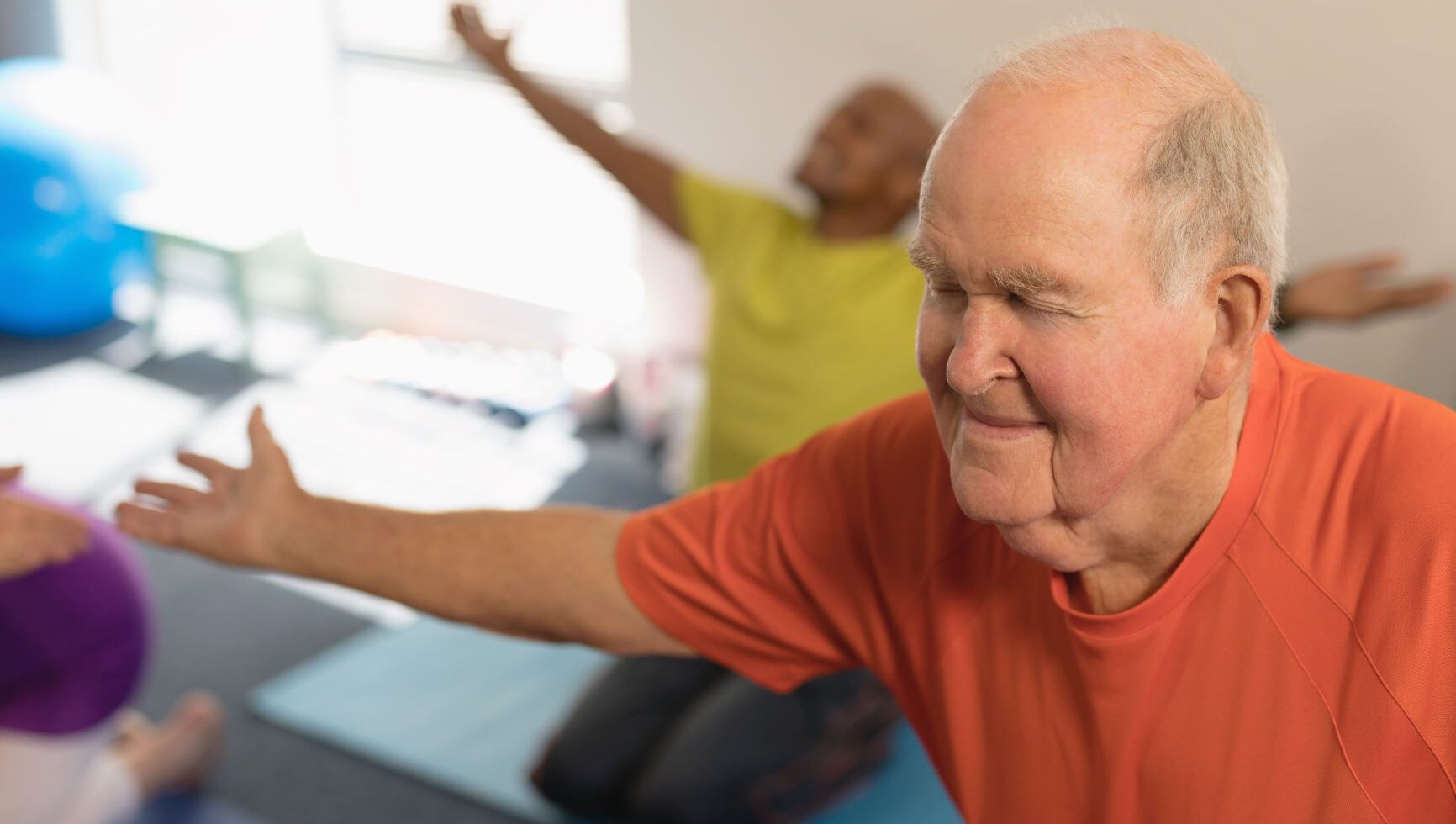
Research shows that brain health is promoted by developing a habit of regular physical exercise.
We are grateful to Joke van Staveren and Jane Hobson, physiotherapists with the Canterbury District Health Board in Christchurch, for their contribution, and to Dementia Australia for their work in reviewing this area. Further information on exercise can be found in the NZ guidelines here.
Exercise and Cognitive Decline
The consensus among clinical experts is that building a routine of regular physical exercise into our lives is good for brain health, and the earlier we start, the better.
Physical exercise may help maintain blood flow to the brain and may even stimulate brain cell growth and survival. It can also help reduce cardiovascular risk factors.
One review combining results from 11 studies concluded that people who exercise regularly may be 30% less likely to develop dementia.
That said, studies in this area are difficult to interpret with respect to a direct link between exercise and dementia, as well as the amount of exercise required. We don’t yet have controlled trials showing that increasing exercise reduces the risk of dementia.
Of course, it is absolutely clear that exercise protects our general health, protects our brain from the effects of strokes and heart attacks, protects us from hurting ourselves falling over (including the brain injuries that can occur from some falls), and is associated with improved mood, higher levels of fitness, and better quality of life.

Increasing Exercise
It is best to aim to increase the time we spend moving steadily, whether we think of this as exercise or not.
If we spend most of the day sitting, we can increase the time we spend standing.
If we do most of our travelling by car and lift, we can increase the distances we walk and use the stairs more often.
If we do some exercise now and then, we can make it more regular.
If we exercise regularly in one way, we can add another, such as cycling, swimming, or walking in a pool, or even joining a gym.

Motivation to Move
A good hint to help us make exercise more routine is to join others – we can help each other stay motivated, and we will get a brain workout as we chat alongside our body workout! A fun fact is that mice that are prone to develop Alzheimer-like changes in their brains benefit much more from exercising along with mousy friends than they do from exercising alone.
Linking people in with a Green Prescription to improve fitness via their GP can be helpful. A Green Prescription Walking Guide is available.
People with medical conditions that prevent traditional forms of exercise should discuss this with their doctor and may want to focus on increasing movement rather than a specific exercise.
Fear of falling can be a barrier to improving fitness. A referral to a Falls Prevention Programme may be a good first step to building confidence and improving balance: More information about falls prevention can be found here.
People Living With Dementia and Exercise
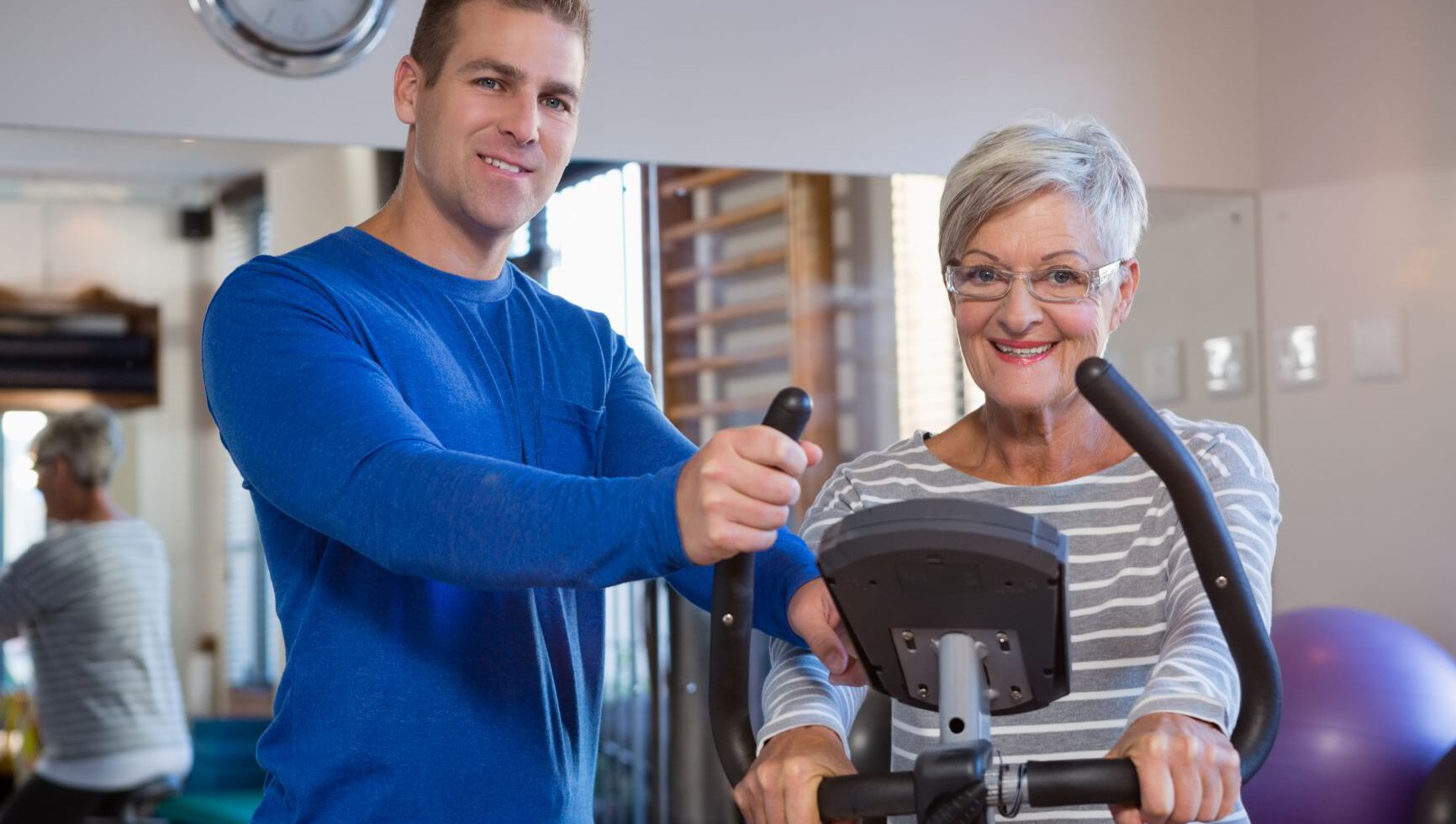
As with all of us, exercise can benefit people living with dementia, from reducing mobility and health issues to improving mood to helping with sleep.
Exercise habits that are embedded early in the dementia journey may be easier to maintain – another reason not to delay, start today.
Repetitive exercise routines that don’t require decision-making, such as riding an exercise bike, can be useful.
For people who are further along the dementia journey, specially adapted structured sessions with support can be particularly useful.
For people living with dementia, quality of life can be improved through regular physical activity. We were designed to move!