

Brain Health Tips: Hearing
Research shows that brain health is promoted by protecting our hearing and, if necessary, boosting it.
We are grateful to Associate Professor Grant Searchfield from the Hearing and Tinnitus Clinic and the Eisdell Moore Centre for Research into Hearing and Balance Disorders at the University of Auckland for his contribution.
Untreated Hearing Loss Is Linked to Cognitive Decline
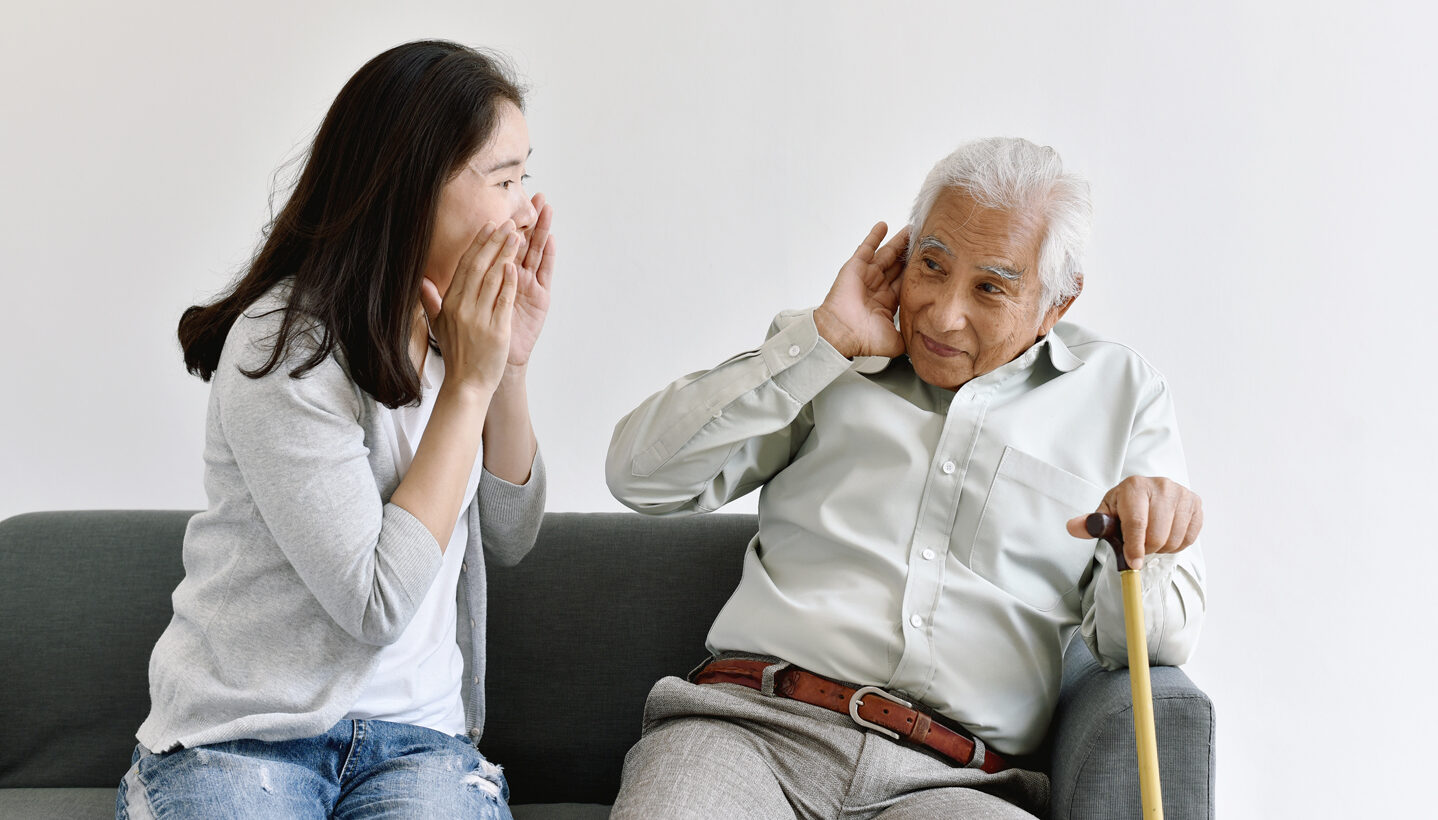
Several studies have highlighted the contribution of mid-life hearing loss to the risk of dementia later in life.
In fact, untreated hearing loss appears to be one of the largest modifiable risk factors for age-related decline in cognition and the risk of dementia.
Hearing loss is associated with cognitive decline independently of factors such as age, sex, and education that might explain this correlation.
Protecting Our Hearing
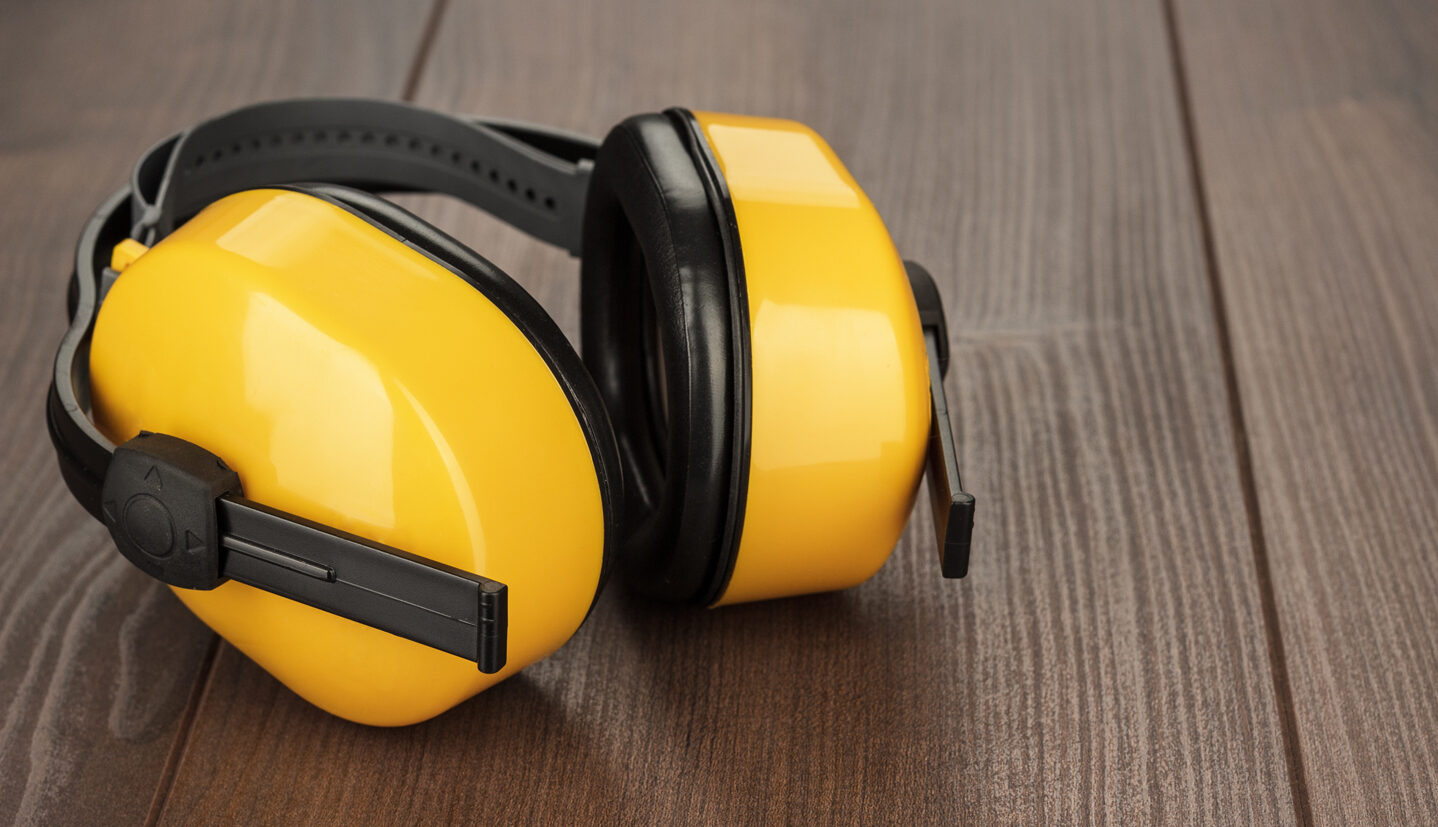
Age-related hearing loss is common and affects many of us. It results in reduced audibility (how well our ears can hear a sound), poorer frequency resolution (how well our ears can distinguish between higher- and lower-pitched sounds), and altered loudness perception (how loud sounds seem to us).
In addition, some people damage their hearing throughout life, mainly from exposure to loud noise. The best medicine is to avoid damaging our ears in the first place.
Boosting Hearing
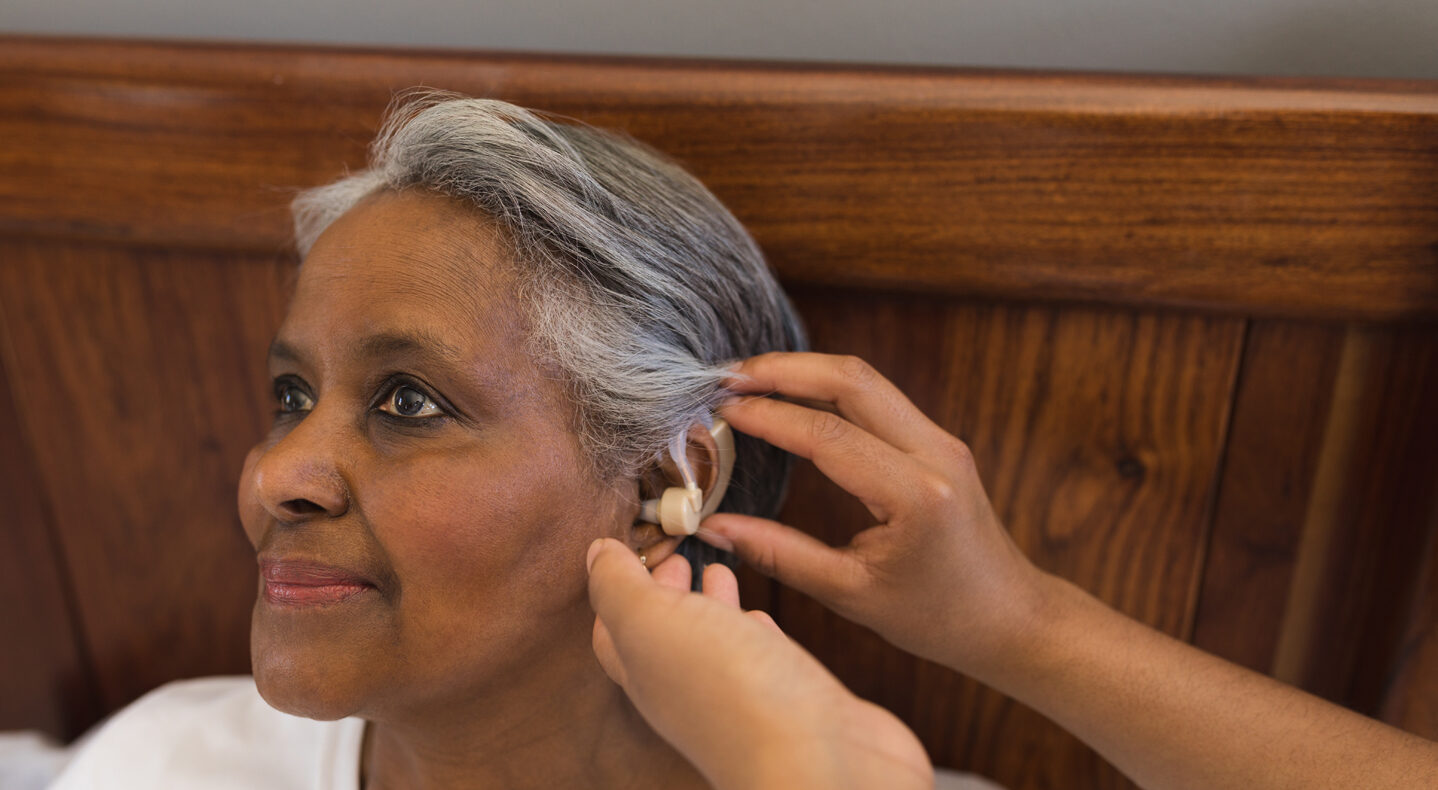
Hearing aids can be an effective way to improve cognitive health among older New Zealanders.
For example, in one large French study, self-reported hearing loss was significantly associated with cognitive decline among 3670 persons aged 65 or older followed for 25 years. The group using hearing aids showed no average cognitive decline compared with their peers of the same age, whereas those not using hearing aids did.
In another study from the United States, significant improvements in cognitive function were observed after 4 months of hearing aid use among 95 people with hearing impairment, compared with 99 on a waiting list.

How Hearing Loss and Boosting May Impact Cognition
It has been said that “impaired vision cuts us off from the world of things, but impaired hearing cuts us off from the world of people”. We know that social connectedness is important for brain health, so hearing impairment is likely to harm our brains, in part by affecting our social lives.
Hearing loss also seems to have a direct impact. A study from the United Kingdom demonstrated that hearing aid use was associated with better cognitive function independent of social isolation.
Evidence from both animal and human studies shows that environments lacking rich sound can result in brain reorganisation. For example, areas of the brain’s temporal lobes that are important for semantic memory (knowledge of what things are, including what they are called) and sensory integration (combining sound, sight, touch, and other sensory information to understand the world) show volume changes associated with hearing loss. These are areas that also change with cognitive impairment.
It may be that the mechanisms of improvement primarily involve increased audibility, allowing the brain to use the information provided. Studies have also shown that some hearing-related brain changes can be reversed through stimulation.
A collaborative study between Auckland and Canterbury Universities, funded by the Health Research Council of New Zealand, has been underway for several years to investigate the effects of hearing aid use on cognitive function. The results are expected to be released in the final quarter of 2021 – be sure to look out for these in the New Zealand Dementia Foundation newsletter.

People Living with Dementia
People living with dementia and hearing impairment may also benefit from hearing aids, but they are most effective when used earlier in the course of dementia.
Later in the dementia journey, hearing aids may become too difficult for people to tolerate or manage.
People living with dementia and hearing impairment benefit from other strategies to improve communication, such as reducing background noise, speaking directly, face to face, and using visual cues relating to what we are talking about, such as inviting someone to afternoon tea whilst holding out a cup of tea towards them, or suggesting it’s time for toothbrushing at the same time that we pick up a tube of toothpaste.

Communication
Hearing is very important, but good communication is not just about hearing. Our communication with others can be enhanced or diminished by factors such as our ability to speak clearly, our knowledge of different languages and ways of talking, our ability to understand language at a brain level, and our social skills.
Speech language therapists have a very important role to play in helping people whose communication challenges come from neurological illnesses that affect speech and language, such as stroke.
Supporting communication partners in listening carefully and speaking clearly with each other is also helpful, as is learning to improve our social skills at any age.
Using New Zealand Sign Language or other visual communication methods is also important for some people.

Take Home messages
Communication (including listening to voices) is a vital exercise for our brains.
Hearing loss is associated with increased risk of dementia.
There may be direct effects of hearing loss on the brain, but its effects on communication are also important – reduced communication with others means poorer brain health and well-being.
We should protect our ears from excessive noise at all ages – an ounce of prevention is worth a ton of cure.
If our hearing is becoming poor, we should visit an audiologist for a check-up.
If hearing aids are suggested, we should take the advice seriously.
Good communication is not just about hearing but also about speech, language, visual cues, social context, and environment.