

Brain Health Tips:
Social Connection
Research shows that brain health is promoted by maintaining positive connections with other people.
We are grateful to Dr Sally Keeling and Dr Matthew Croucher for their contribution to this month’s topic. Sally Keeling is semi-retired after a career in research, service development and teaching in the area of the social contexts of later life in NZ. Matthew is an old-age psychiatrist working in Christchurch.
Social Connections and Preventing Dementia
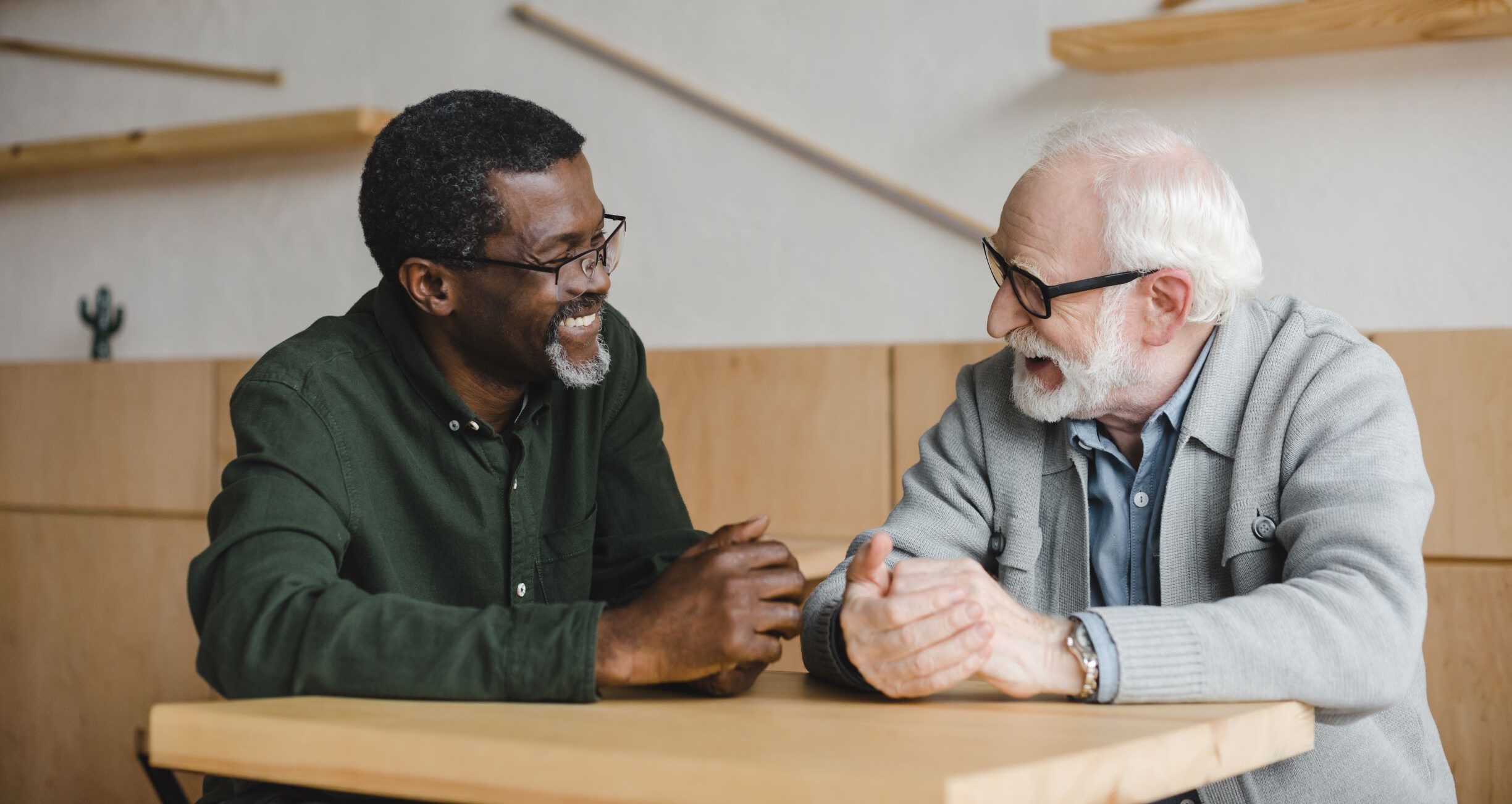
Repeated studies from different settings around the world have demonstrated convincing protective effects on cognitive health as people age, including having more social contacts, such as being married, with intriguing evidence in some studies that the more social contacts people have, the stronger this effect.
It is much harder to show that increasing social contact as people age reduces rates of existing cognitive decline.
However, experts agree that it is important to ensure that people do not become isolated and lonely as they get older.
What Type of Social Connection Matters Most?
Some people focus on the amount of social contact we have, and a common theme is that the more contact people have with others, the better it is for our health; however, we all recognise that it is also possible to have too much contact, to the point of exhaustion!
Some people focus on the quality of our relationships and the kinds of contact we have with others. If our relationships are trusting and sustaining, and our interactions with others are positive, this boosts human well-being. Still, the reverse is also true: negative contact can hurt us.
Others focus on the cultural aspects of social connections and highlight the importance of being part of networks that reflect our upbringing, culture, language, and the values and traditions we share.
Another way of thinking about this is measuring people’s social standing and social capital, for example, how respected people are and how much others are willing to do to support them.
Researchers have also highlighted that ‘one size does not fit all’ – different people have different needs regarding the right amount, best quality, cultural appropriateness, and social standing that result from their contact with and relationships with others.
Social Connection and Ageing
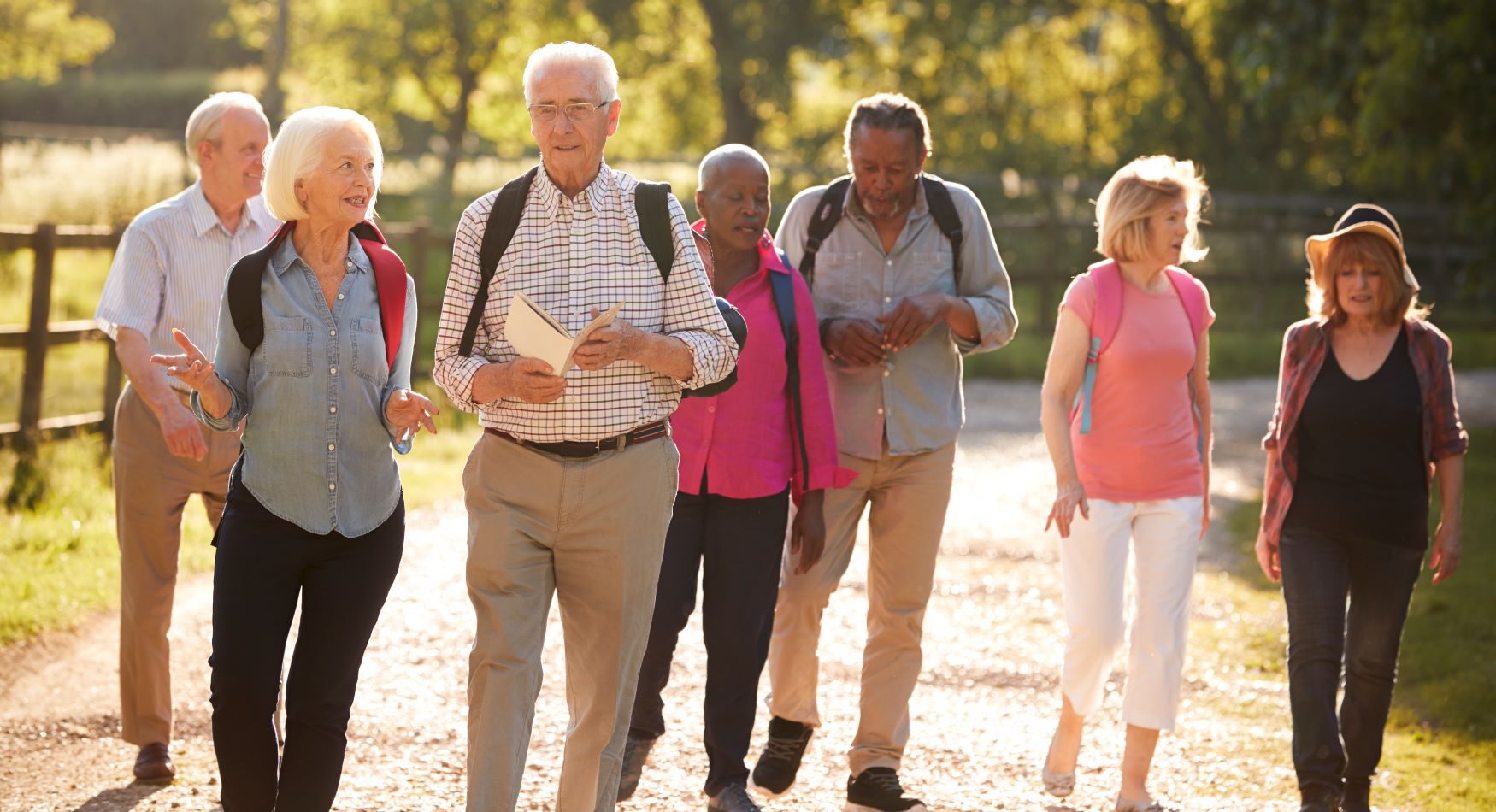
Research generally shows that the more social contact and social connectedness people have, the greater their well-being as they age and the better their health. For example, being married throughout most of a person’s adult life is associated with a range of positive health outcomes.
Research has also highlighted how common loneliness is and how harmful it is for the health of older people. Did you know that the United Kingdom has a government “Loneliness Strategy” because it recognises that loneliness is a major problem across British society?
In New Zealand, we have a special understanding of the importance of culture because Māori have strongly championed the benefits of understanding and meeting the needs of tangata whenua in relation to maintaining te reo and strengthening tikanga Māori in general, as well as the health benefits Māori can experience from working with Māori health practitioners and receiving their health and social care from kaupapa Māori services.
Social Connection When Dementia Is Present
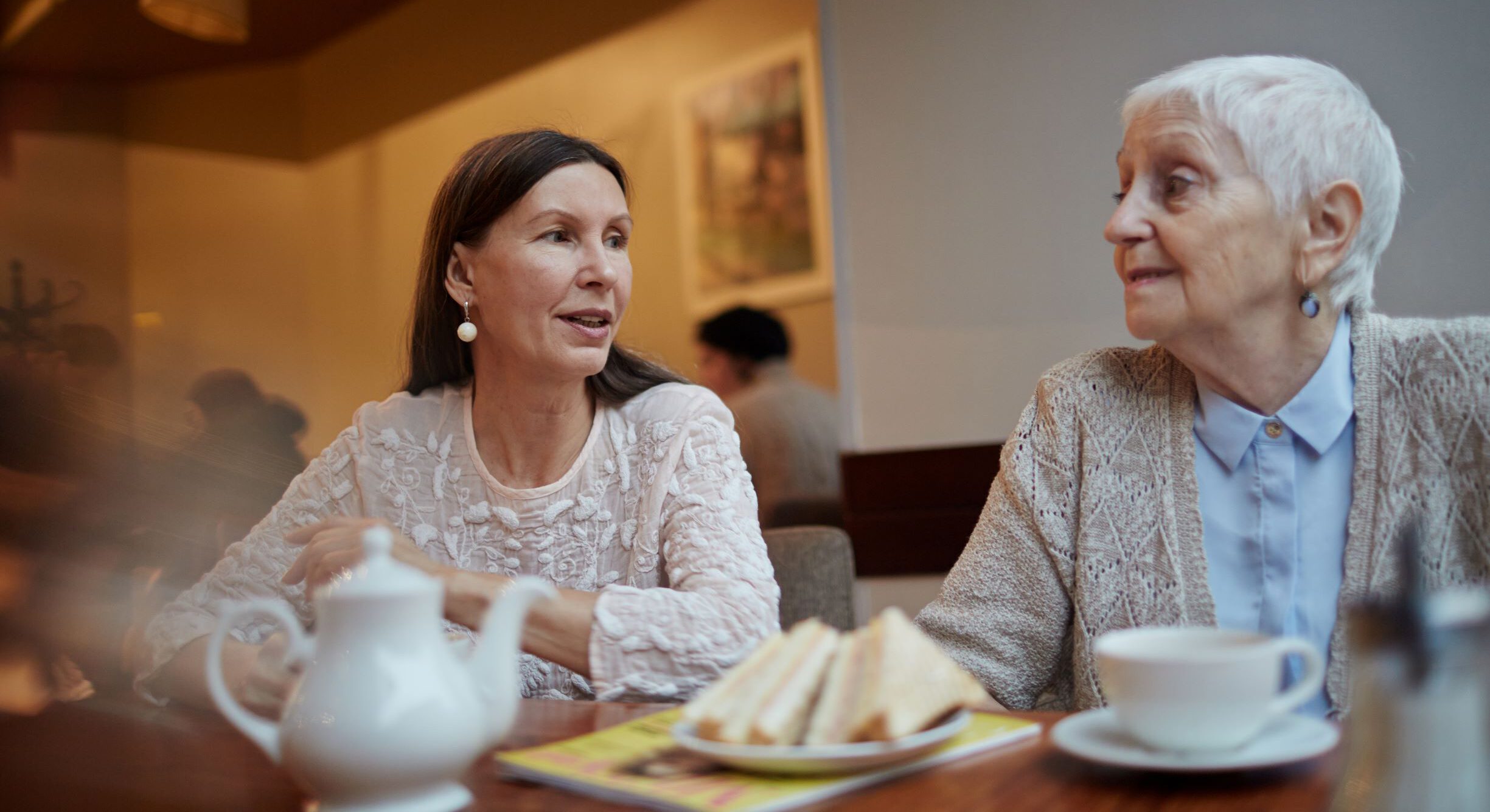
Dementia can increase a person’s isolation because people with dementia gradually experience reduced social confidence and social skills, including language.
They can also lose the ability to participate in or travel to the social activities they previously enjoyed.
The stigmatising attitudes of others can lead others to avoid contact, and new contacts are less likely to invest time in them.
Tom Kitwood’s ground-breaking research strongly highlighted how positive social relationships and ways of communicating benefit people with dementia and negative relationships and communication styles harm them, even to the point of reversing or speeding up functional decline.
Take Home Messages
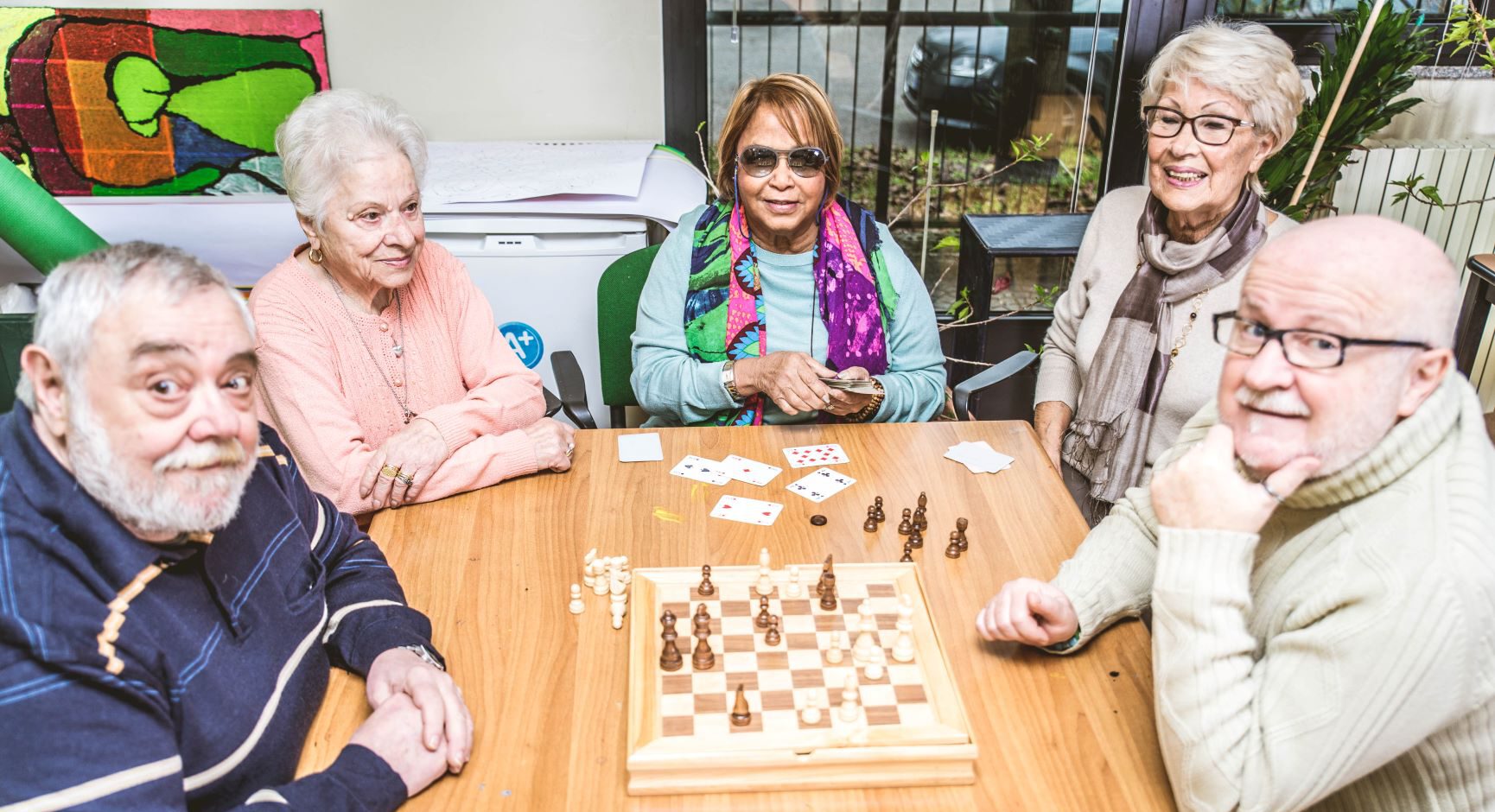
If you are thinking of ways to improve your brain health and prevent dementia, you have already thought about improving your exercise, mental stimulation, and diet. Did you realise that all these things are easier to participate in and to stick with if you do them with another person or a group? There is even research showing that animals that exercise on their own don’t get as much brain benefit as those that exercise in a group setting. Perhaps humans are the same!
For example, to enhance the nutritional status of isolated people, can we identify opportunities for additional social stimulation through lunch clubs, cooking classes, or shared shopping groups? Similar to exercise, investing in group activities such as community falls-prevention groups, walking groups, dance sessions, or even identifying gym buddies online could all add value beyond the individual level.
You may have also realised that part of the benefit of improving our hearing (January’s calendar topic) and ensuring we don’t become too stressed or depressed (April’s calendar topic) is that these brain health strategies protect our social functioning. Poor hearing and depression cut us off from the world of people, so treating these problems reconnects us.
How can we add a positive social contact into each day or week for ourselves and for the people with dementia that we may care for?
Perhaps we will need to put this into our timetable to start with, so it becomes a habit.