

Person Centred Care:
Celebrating
Person-centred care celebrates people as they are.
When we think of celebrating people, the first thing that comes to mind is probably special occasions like birthdays and anniversaries. These are wonderful opportunities, but person-centred care also looks beyond these special days to celebrate in our day-to-day interactions. We celebrate achievements, we share joy.

Lydia’s Story
I was assigned to work with a man everyone said was “demanding” because he was so pedantic with everything. Showers would take ten times longer than they needed to because he kept fussing over things like the water temperature, his clothes, and the position of the shower stool, until they were just right. If I tried to let him know that we needed to hurry a bit because I was running out of time, he would get so grumpy!
Then I wondered what Mr Walter’s perception of all this was. I realised that the shower was one of his main pleasures in the morning, and that he might be reacting to the loss of control over many aspects of his life due to his poor health.
I realised I had fallen into the trap of taking what other people said about him as the truth, rather than seeing things from his perspective. Once I understood this, our time together went so much more smoothly. I realised the shower wasn’t just about helping Mr Walter get clean; it was also about making it a highlight of his day.

What Do We See in Lydia’s Story?
Lydia doesn’t give up hope for Mr Walter. She looks beyond the labels and the diagnoses to see Mr Walter.
Lydia is looking for ways to make the most of moments of joy and meaning, even in small things like having a shower just the way he likes it.
Lydia can see that the details matter to Mr Walter. She doesn’t judge him or say he is wrong, and she thinks these details are important. Mr Walter is very ill, and the shower has become a focal point of his day.
Lydia enables Mr Walter to achieve something meaningful to him.
Lydia shares Mr Walter’s satisfaction and enjoyment of getting the shower just right.

Tip 1: Believe That People Living With Dementia Can Have Moments Worth Celebrating
Like all of us, people living with dementia need the opportunity for celebration – a moment of joy.
Sometimes the stigma attached to dementia can make it seem like there is no possibility of moments of joy that make us feel like celebrating. The losses and challenges of dementia can seem so big and the moments of happiness so small that they don’t matter. But they do. We live in the moment, and never more so than in dementia. These moments can boost mood, self-worth, social confidence, hope, and feelings of control.
In Lydia’s story, Mr Walter not only had dementia, but people had also described him in ways that made it sound like he was never happy or satisfied. In situations like this, we might slip into expecting the worst. The expectations each person has of another person will greatly influence what happens. If Lydia had gone in with negative expectations, they would have been more likely to be fulfilled.
By thinking about celebrating, we reaffirm that happy moments and achievements are possible for people living with dementia. We look for those moments for every person we support.
Person-centred care positively celebrates the person as they are. What makes us who we are is always something to celebrate because it is part of our unique and special qualities as human beings.

Tip 2: Celebrate Together
There is a Swedish proverb that “Shared joy is a double joy”.
Celebration is inherently joyful and social. It pulls us together when we join someone in celebrating something.
A celebration is something we do together. We share the moment and the mood.
Celebration connects us: Not as care-worker and client, but simply as two people.

Tip 3: Capture the Moment
Isene and colleagues (2021) listened to people who work with people living with dementia and noticed how often they talked about being in the moment: the here and now. How can we do this?
We can enlarge the moments. It can be like a treasure hunt to look for the meaning of seemingly trivial moments and see them as a chance for celebration: “My experience is that it doesn’t have to be that much hocus pocus, but everyday perfectly adequate things. Whether it’s birthday celebrations or whether it’s working in the garden, telling a joke, having something to laugh at. [These] everyday things that you take for granted in everyday life are what create meaning for everyone.” We can notice when the person gains a sense of pleasure or mastery and celebrate it.
We can see the moments as whole stories. Sometimes a moment is worth celebrating because of where it fits in a person’s life, their life history, and what is important to them. Knowing the person can help us on our treasure hunt.
We can help create the moments. We can help create moments of enjoyment and smiles. We can help people achieve things that are meaningful to them (big or small)!
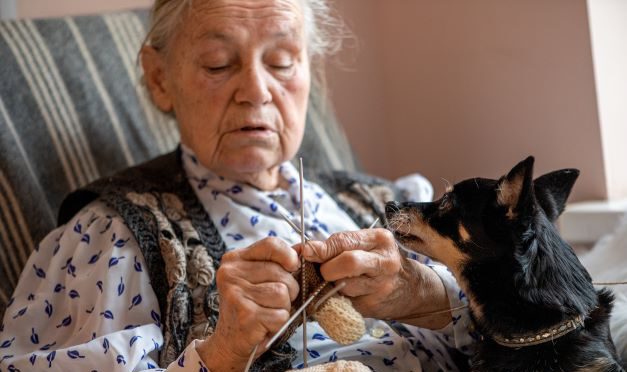
Tip 4: Look for Ways To Celebrate
There are many ways you are helping create moments of celebration. Here are just a few examples.
When you connect with them person-to-person and celebrate them. When you are delighted by their good news:
– smile when they smile
– find out their favourites
– show that you enjoy their company
– compliment them
– thank them for their help
When you enable meaningful activities and celebrate moments of joy by supporting them:
– to share happy memories
– to connect with others
– to feel more engaged with life
– to engage with the things that matter to them
– to feel productive
– to experience through their senses
– to be outdoors
– to enjoy animals

Would You Like To Find Out More About Celebration?
You can read an interview with Dr Elizabeth Landsverk, author of “Living in the Moment: A Guide to Overcoming Challenges and Finding Moments of Joy in Alzheimer’s Disease and Other Dementias”, here
You can read the article by Isene and colleagues about working with people with advanced dementia to create meaningful moments here
You can watch a TED-X talk about “Memory cafes: making space for dementia and joy” here